Water Damage Restoration Tucker, GA
Water in a daylight basement or a split-level den spreads into carpet pad, drywall and framing fast. The extraction crew pulls it out and the drying team dries the structure to IICRC S500.
☎ (888) 532-4616Tell dispatch which level took waterShut the main valve if it is safe to reach, stay off wet floors near outlets, then call.
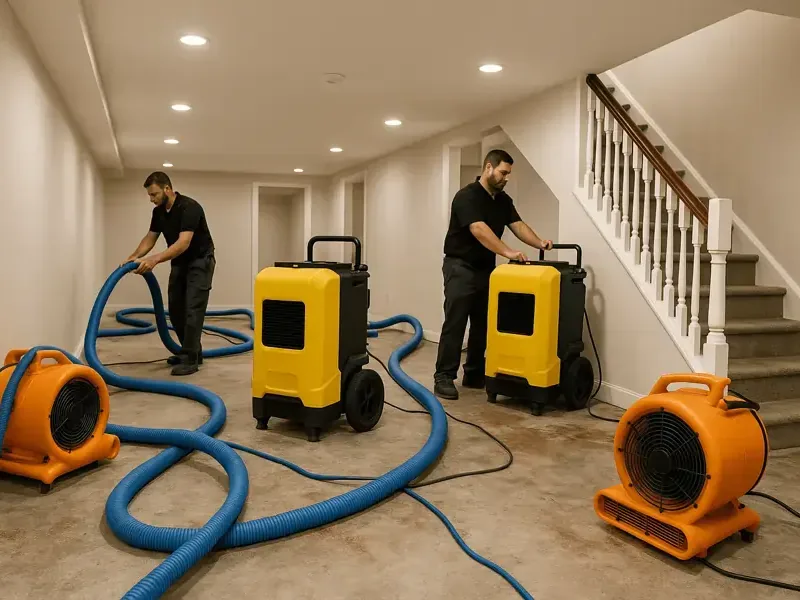
How water gets into homes around Tucker
Over a dozen creeks start inside the city, the Eastern Continental Divide runs along Chamblee-Tucker Road, and split-level and multi-story homes from the 1970s and 1980s often have daylight basements.
Daylight basements
Split-level and multi-story homes from the 1970s and 1980s often have a lower level that opens at grade. Runoff that sheets down a sloped yard reaches that door first.
Red Piedmont clay
Piedmont soils carry a dense red clay subsoil. After a soaking rain, water that cannot sink in moves along it toward block foundation walls and sump pits.
Creek headwaters
Burnt Fork Creek, South Fork Peachtree Creek, Camp Creek and Henderson Mill Creek all start here, so homes on low lots beside those channels see storm water first.
Hard freezes
Freezes are rare but sharp. The February 2014 ice storm left more than 200,000 Georgians without power, and unheated garages and exterior walls are where supply pipes split.
Aging county mains
The county water system reached the city by the 1950s. In January 2025 a cast iron main from 1941 broke on Clairmont Road, affecting about 8,800 DeKalb households.
September 2009
Continuous rain caused 500-year floods across northern Georgia, mostly around metro Atlanta, with about 20,000 buildings badly damaged and 23 counties under federal declarations.
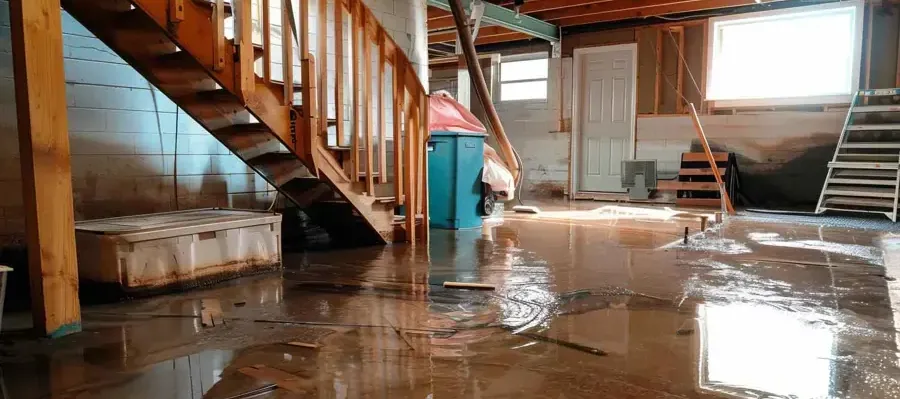
Water Damage Restoration Services in Tucker, GA
Twelve water services, each with its own page: from the first pump-out of a flooded basement to the last dry reading on a block wall or a subfloor.
 01
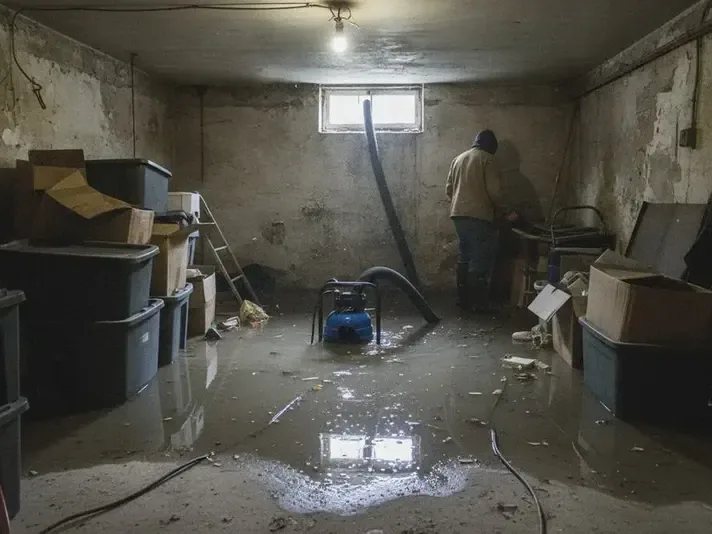
01Water Extraction and Removal
Truck-mounted and portable extraction pulls standing water from carpet, slab and hard floors before it wicks into walls.
 02
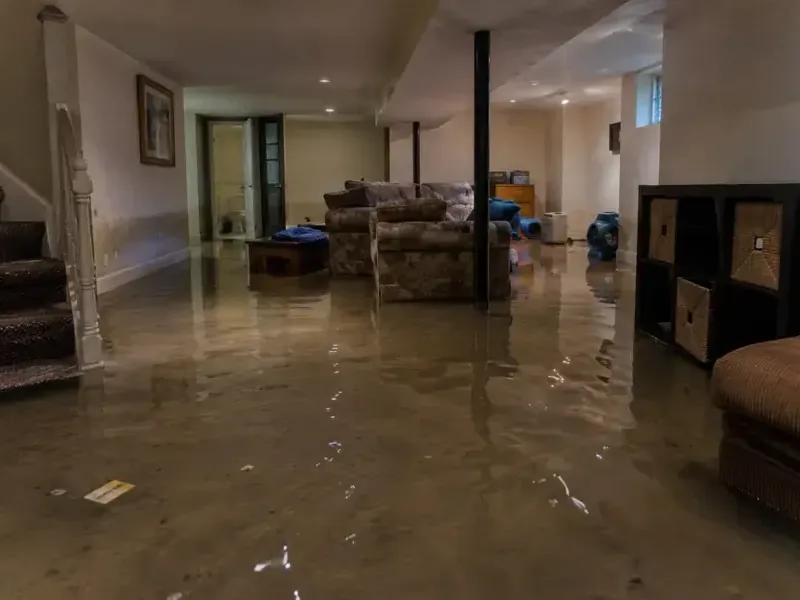
02Basement Flooding Cleanup
Daylight and finished basements pumped out, wet pad and lower drywall removed, block walls and slab dried.
 03
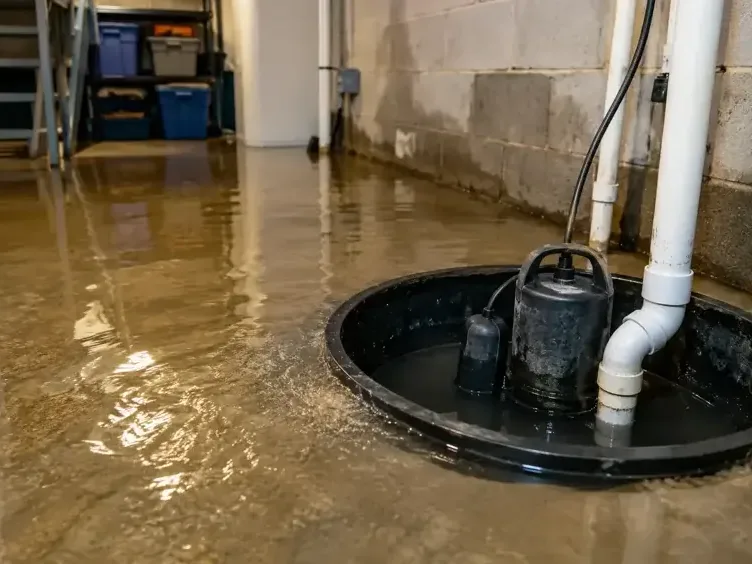
03Sump Pump Failure Cleanup
A stalled float, a burned-out motor or a power cut during a storm floods the lower level fast.
 04
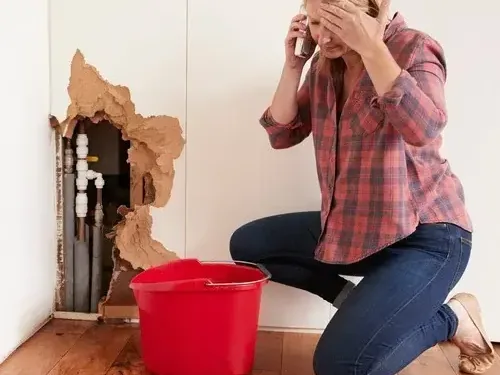
04Burst Pipe Water Damage
Supply pipes that split inside walls and ceilings, extracted fast and the cavities opened and dried.
 05
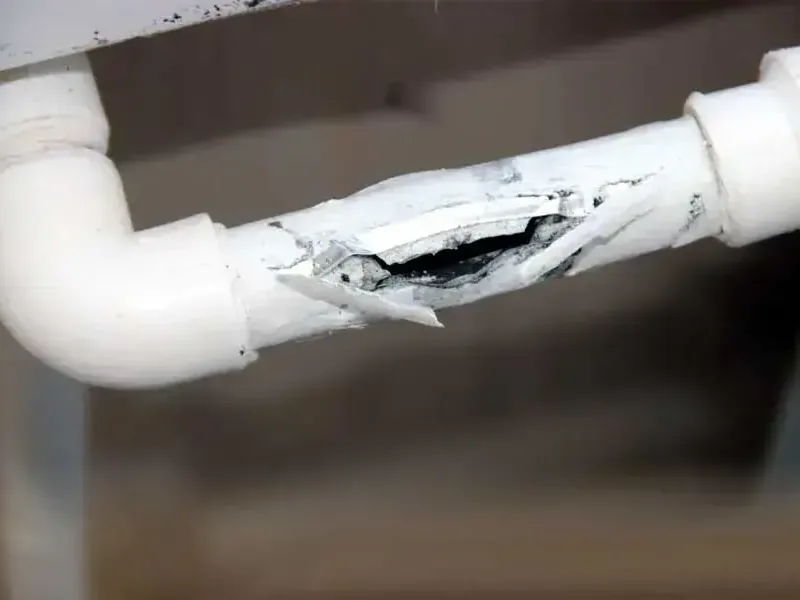
05Frozen Pipe Water Damage
Pipes in garages, exterior walls and crawl corners that freeze in a hard cold snap and leak on the thaw.
 06
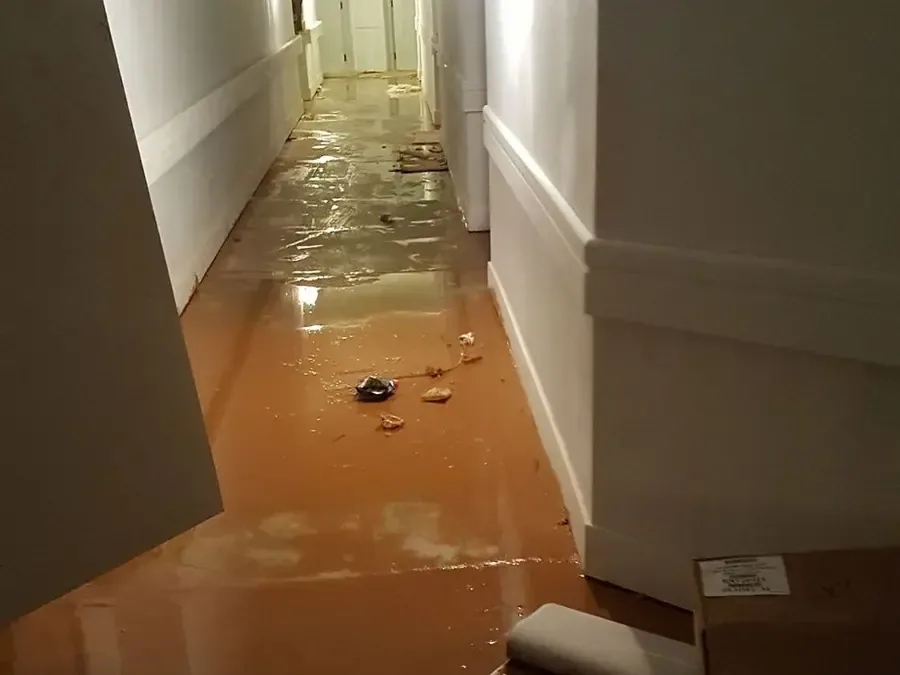
06Storm and Flash Flood Cleanup
Thunderstorm runoff and creek overflow that reach a lower level, handled as Category 3 from the start.
 07
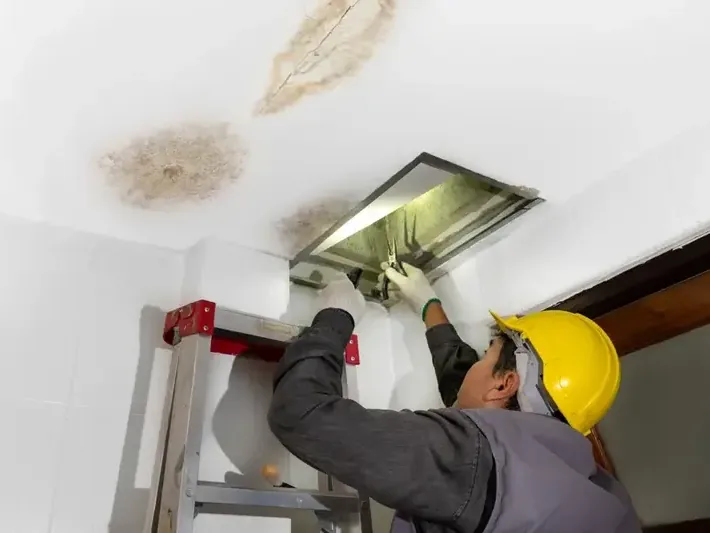
07Roof Leak Water Damage
Wind-driven rain at shingles, flashing and vents: wet attic insulation pulled and the ceilings below dried.
 08
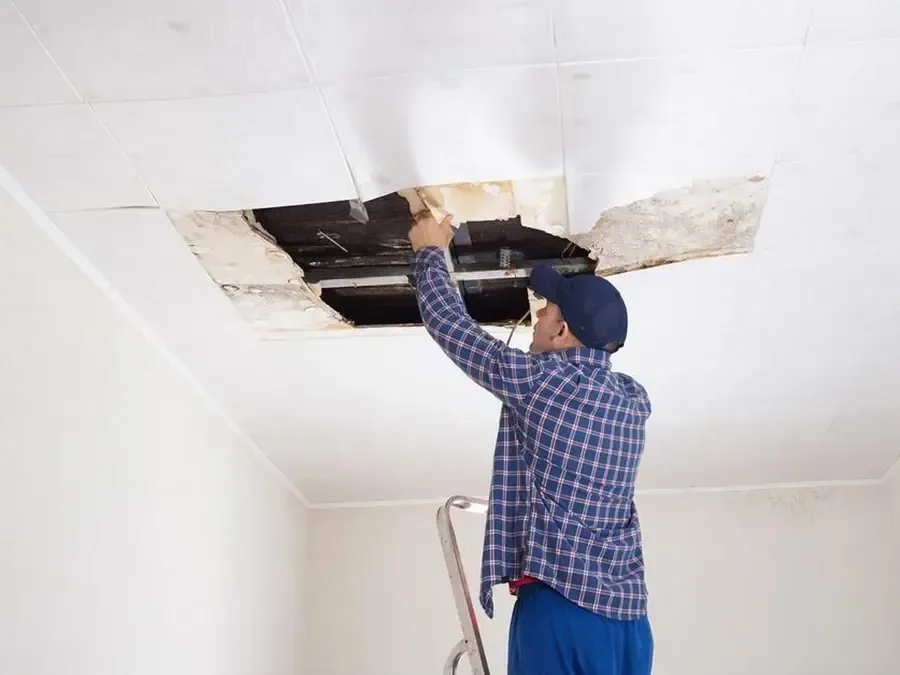
08Ceiling Leak Water Damage
An upstairs tub, toilet or HVAC drain pan leak traced, the wet drywall opened and joist bays dried.
 09
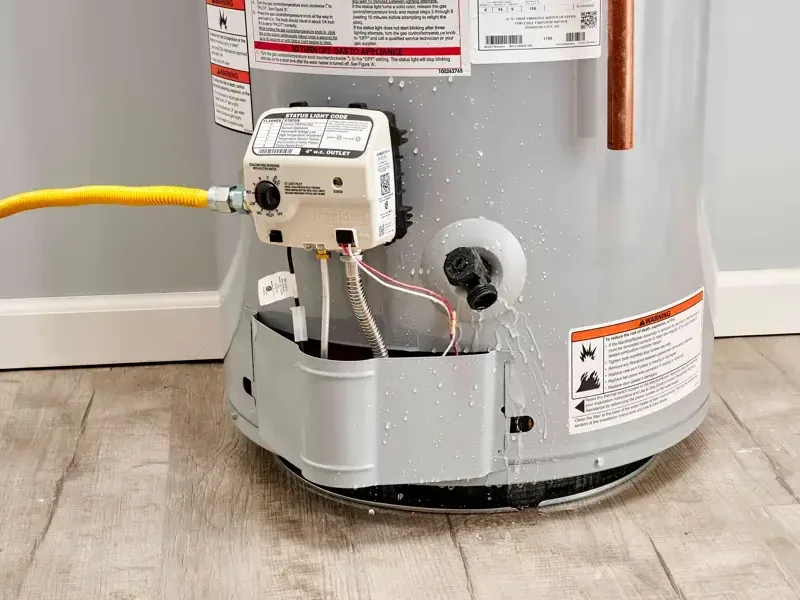
09Water Heater Leak Cleanup
A tank failure in the basement, the garage or a closet extracted before framing and stored boxes soak through.
 10
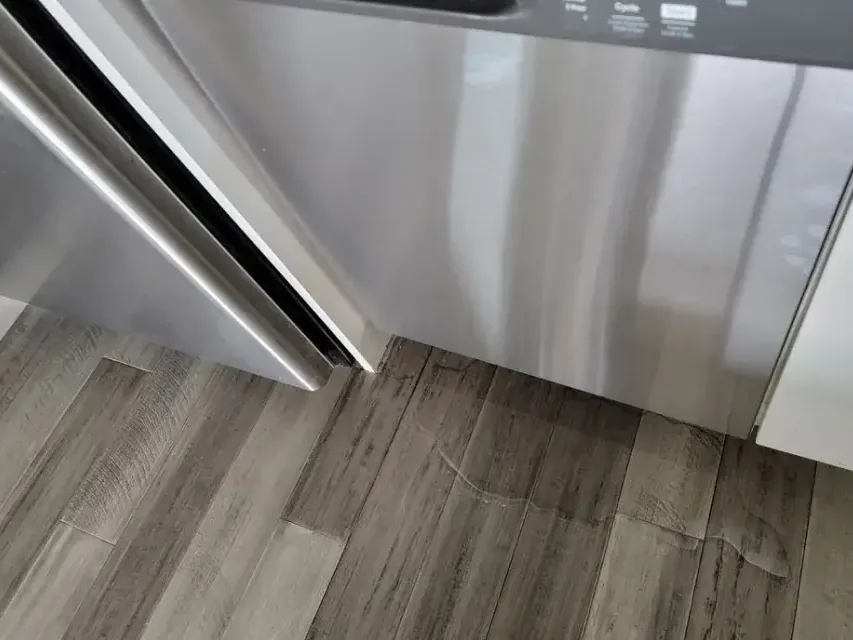
10Appliance Leak Water Damage
Washer hoses, dishwasher and ice maker leaks dried out of floors, cabinets and the ceiling below.
 11
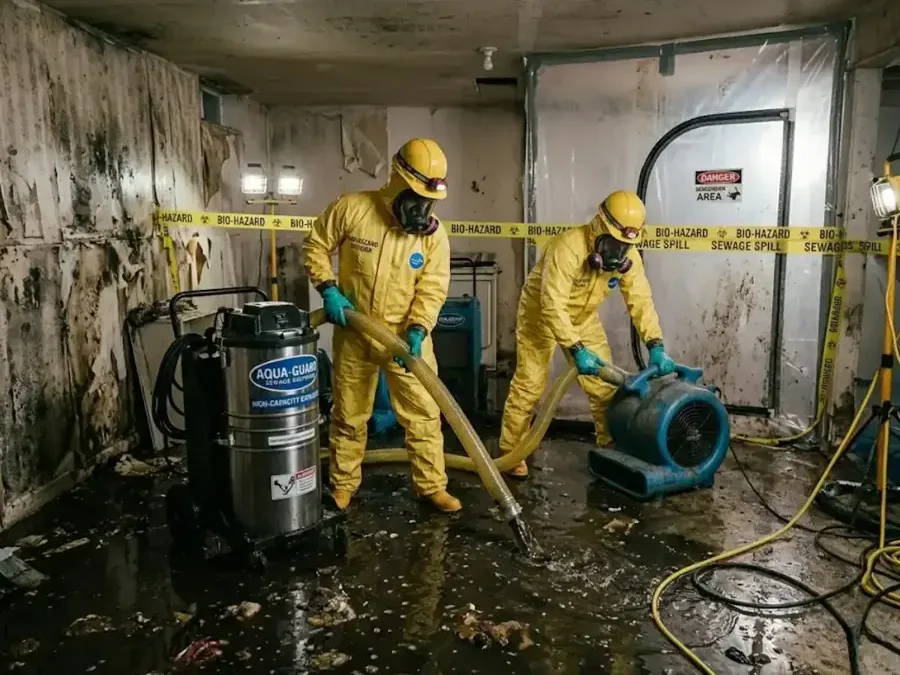
11Sewage Backup Cleanup
Floor drain and toilet backups treated as Category 3: PPE, porous materials out, antimicrobial at dwell time.
 12
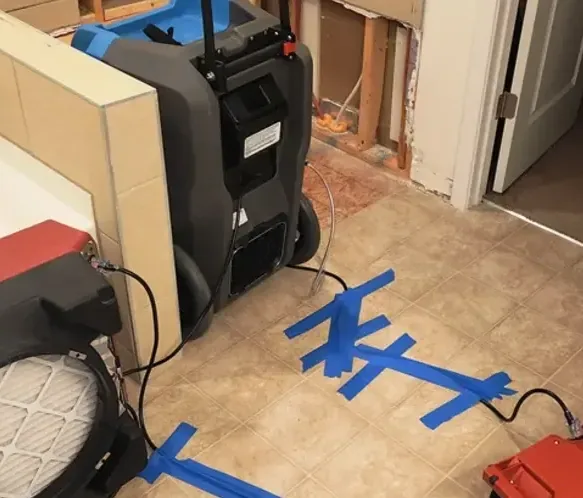
12Structural Drying and Dehumidification
LGR dehumidifiers and air movers dry framing, subfloor and block walls to a measured dry reference.
Before the crew arrives: five moves that limit the damage
Close the main valve
Find the main where the supply pipe enters the house, often on a basement or garage wall, and turn it clockwise.
Kill power to wet rooms
If water reached outlets, cords or a basement panel, switch those breakers off from a dry spot, or leave them alone.
Hold off on the drains
If a floor drain or toilet on the lowest level is backing up, stop laundry, showers and the dishwasher upstairs.
Photograph before moving
Wide shots and close-ups of every wet room, the source and damaged contents, before anything is moved or thrown out.
Lift what can be lifted
Move rugs, boxes and electronics off a wet basement floor and set furniture legs on foil or wood blocks.
From the call to a verified dry reading
S500 is the industry standard for water damage restoration. It sets how water is categorized, how the loss is classed and when a material counts as dry: within 2 to 4 points of a dry reference.
- 1
Walkthrough and moisture map
The tech finds the source, maps wet materials with meters and thermal imaging, and photographs everything before a single baseboard comes off.
- 2
Extraction
Truck-mounted and portable units pull standing water from carpet, slab and hard floors, the step that cuts drying time the most.
- 3
Drying and daily readings
Air movers and LGR dehumidifiers run inside containment while the drying team logs moisture and humidity every day against a dry reference.
- 4
Dry, documented, handed back
Equipment comes out when readings say dry. The file holds the map, the daily logs, the photos and an itemized scope.
Category 1, 2 or 3: what the source changes
Clean water
A burst supply pipe, a water heater tank or an ice maker hose. Caught early, most of it dries in place with extraction, air movers and dehumidifiers.
Burst pipe water damage ›Gray water
A washer drain, a dishwasher overflow or a toilet bowl that ran over. Carpet pad usually comes out and surfaces get an antimicrobial before drying.
Appliance leak water damage ›Black water
A sewage backup through a floor drain, or creek and storm water that came in at a basement door. Porous materials it touched come out.
Sewage backup cleanup ›What does water damage restoration cost in Tucker, GA?
Water damage restoration here typically runs $1,200 to $4,500 for one wet room, $4,000 to $12,000 for a flooded finished basement, and more for sewage or several levels. The category of water, square footage, material class and drying start move it most.
Documentation an adjuster can work from
A water claim is decided on the file. The restoration team builds that file from the first visit, so the record shows what was wet and how it dried.
- A moisture map from day one, room by room
- Daily psychrometric logs: temperature, humidity and grains per pound
- Timestamped photos taken before any demolition
- The water category and class of loss, stated in writing
- An itemized scope of extraction, removal and drying
Check your own policy
Most homeowners policies treat sudden and accidental water, such as a burst pipe or a failed water heater, differently from flooding or a slow leak. Sewer backup is often a separate endorsement.
Flooding from rising surface water usually needs a separate flood policy. Read the declarations page or ask your insurer before work starts.
Ranges are typical, not a quote. The walkthrough and the moisture map set the real scope. For a closer number, the water damage cost calculator weighs category, size, finished space and delay.
Where the restoration team works across ZIP 30084 and 30085
Neighborhoods and corridors
Nearby cities
Water in a basement or a ceiling anywhere in the area?
The response team covers both ZIP codes, plus the unincorporated streets with the same mailing address that spill over into Gwinnett County.
Give the street and the level that took water when calling, and dispatch sets up an extraction crew and drying equipment for that job.
See every neighborhood and nearby city covered ›
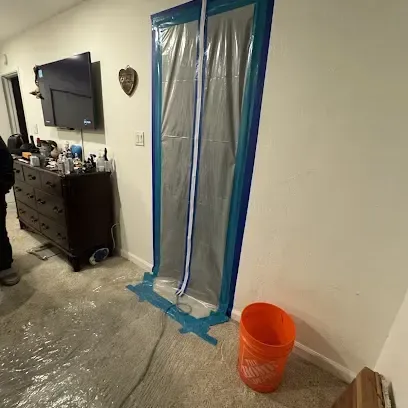
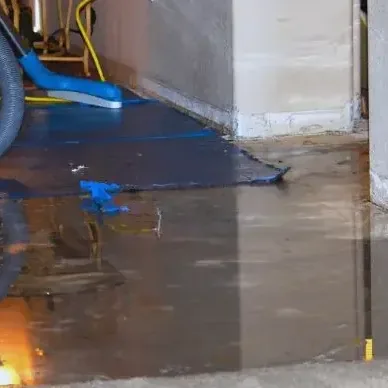
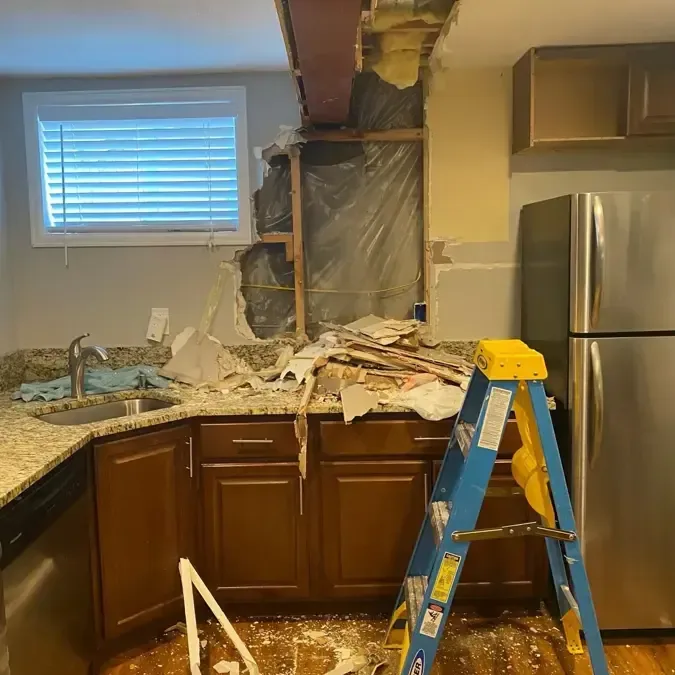
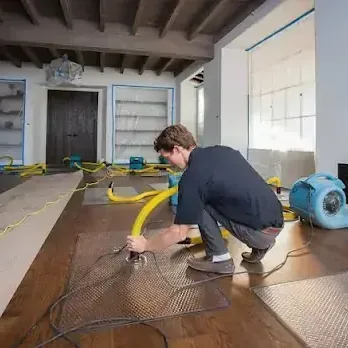
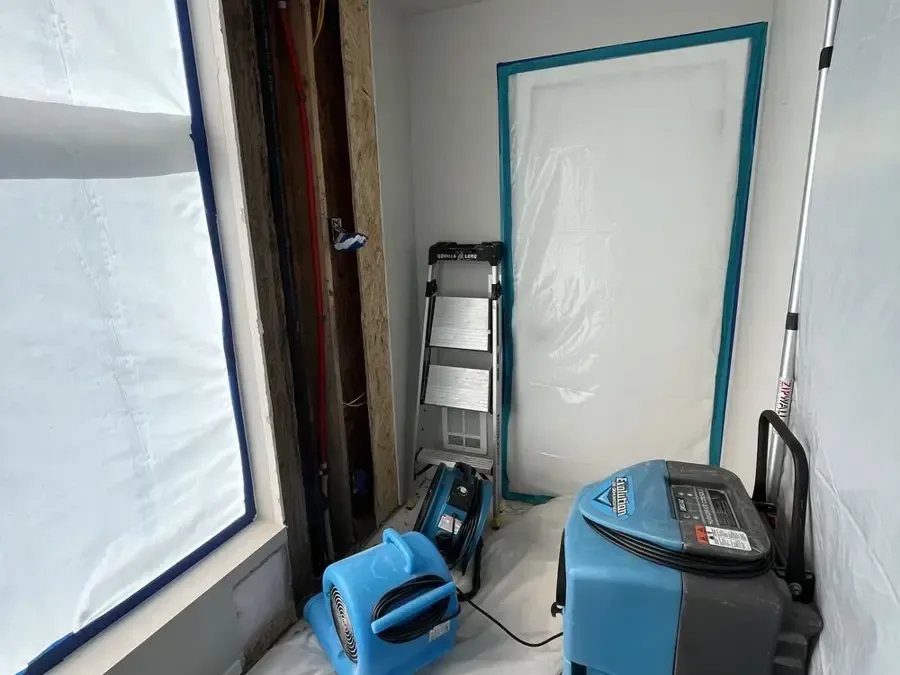
Find us on Google ☎ (888) 532-4616Name the street and the wet levelWhat a lower-level dry-out looks like, from extraction to readings
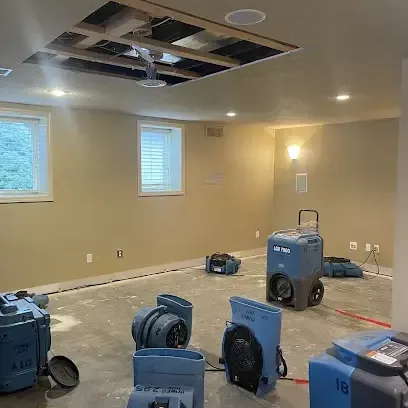
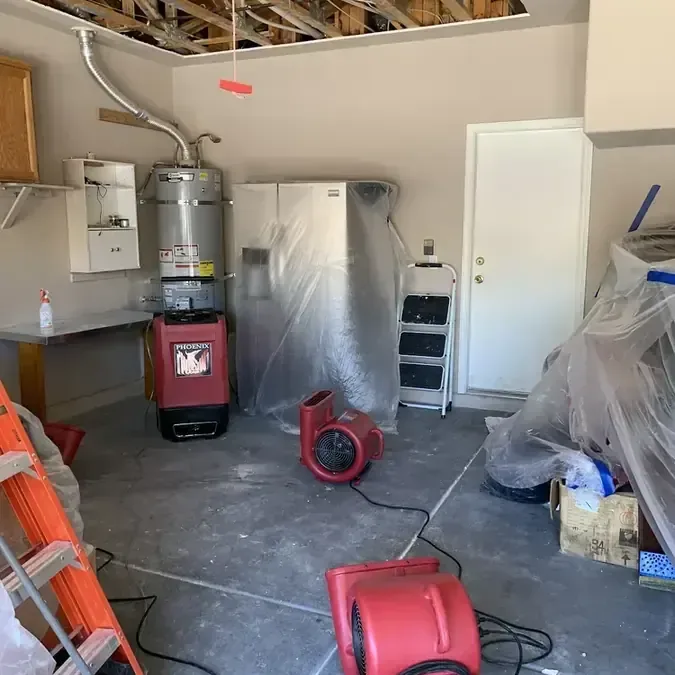
Built for split-levels, daylight basements and Piedmont clay
In homes built around a lower level, water hides below grade and behind walls. Readings and photos, not guesses, decide the scope, and equipment stays until the numbers say dry.
24/7 dispatch
Active water is treated as urgent at any hour, nights, weekends and holidays included, with extraction gear and LGR dehumidifiers on the truck.
IICRC S500 drying
Structural drying, not surface drying: air movers and dehumidifiers sized to the class of loss and checked against a dry reference every day.
Claim-ready records
Moisture maps, daily psychrometric logs and timestamped photos taken before demolition, organized the way an adjuster reads a water file.
Lower-level know-how
Daylight basements, block foundation walls, sump pits and floor drains get checked on every walkthrough, not just the room where water showed up.
Water damage questions from local homeowners
How fast can extraction start after a call?
Active water is treated as urgent at any hour, and dispatch sends the nearest available extraction crew with pumps, air movers and dehumidifiers. Arrival depends on traffic and other jobs, so dispatch gives a time on the phone.
Does homeowners insurance cover water damage in Tucker?
Sudden and accidental water, such as a burst pipe or a failed water heater, is often covered. Flooding from outside, slow leaks and sewer backups are treated differently, and backup usually needs its own endorsement. Check your own policy.
Why does my basement take water after heavy rain?
Lower levels that open at grade catch runoff from a sloped yard, and dense red clay pushes water sideways toward foundation walls and the sump pit. A failed or overwhelmed sump pump turns that into standing water.
How long does drying take?
A clean water loss caught early usually dries in three to five days. Block walls, hardwood and a soaked slab take longer. Equipment stays until materials read within 2 to 4 points of a dry reference.
What is the IICRC S500 standard?
It is the industry standard for water damage restoration. It defines water categories and classes of loss, sets drying goals and describes how readings are taken and recorded, which is what adjusters expect to see in the file.
When does drywall have to come out?
Drywall touched by Category 3 water comes out. With clean water it can often be dried in place by drilling small holes at the base, unless readings stay high or the paper face is breaking down.
Why is a sewage backup handled differently?
Sewage is Category 3 water. The crew wears PPE, sets containment, removes porous materials it touched, such as carpet, pad and lower drywall, and treats surfaces with an EPA-registered antimicrobial at its labeled dwell time.
What should I do before the crew arrives?
Shut the main valve, switch off breakers to wet rooms from a dry spot, stop using drains if one is backing up, photograph everything, and move rugs and boxes off the wet floor.
How is the cost figured?
By the water category, the square footage that got wet, the material class and how fast drying started. Extraction, equipment days, removal and antimicrobial each appear as separate items in the scope, so the total is easy to check.
Why does the 24 to 48 hour window matter?
Mold growth can begin on wet drywall, carpet pad and wood within 24 to 48 hours. That is why extraction and drying start right away instead of waiting for things to air out on their own.
Water in the basement, a ceiling or a wall? Get the drying started tonight.
One call sends an extraction crew, LGR dehumidifiers and a moisture meter to the house, 24/7.
(888) 532-4616Start the lower-level dry-out