Water Extraction and Removal in Decatur, GA
Pumps and extraction wands pull standing water out of floors, carpet and padding before it can soak into framing, then the drying team sets equipment to finish the job.
☎ (888) 532-4616Decatur standing water help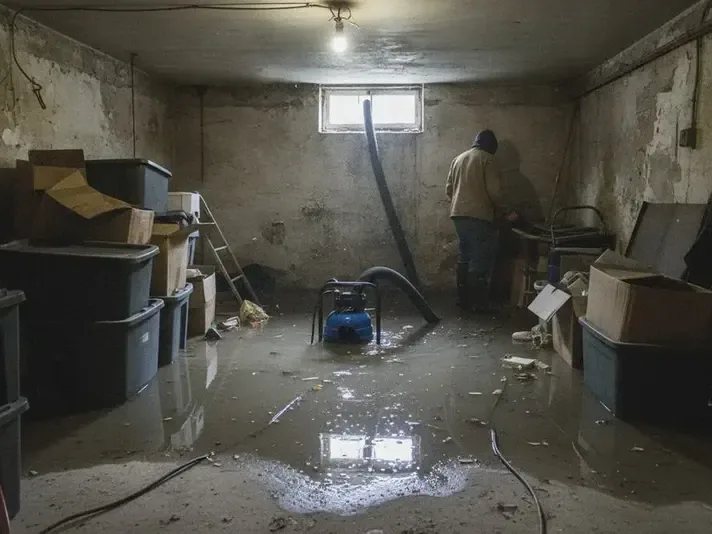
Water can reach Decatur buildings from heavy rain, as in December 2015 when 8.55 inches fell, or from a street main, as with the Midway Road break in December 2025. Either way, standing water is pulled out before it reaches framing and floors.
What the extraction crew uses
- Truck-mounted or portable pumps for deep water
- Weighted wands that pull water from carpet and pad
- Hand tools for corners, stairs and tight spaces
- Moisture meters to find what still holds water
Why speed matters for wet materials
Drywall wicks water upward, carpet padding acts like a sponge and wood floors begin to cup. Pulling the water out early keeps mold from getting a start in hidden cavities and cuts the amount of material that has to be removed. Basement flooding cleanup follows the same pattern when a whole lower level is wet.
What happens after extraction
Once the water is gone, the crew checks walls, floors and framing with meters and maps what is still wet. Drying equipment is then set up, as described under structural drying, and the same readings decide when it can leave. Wet carpet padding that cannot be saved is bagged and carried out, so it does not keep feeding moisture into the room.
How water extraction and removal is handled, start to dry
Safety check
Electrical hazards are checked and the source is confirmed stopped.
Extraction
Pumps and wands pull water from every wet surface.
Removal
Pad and soaked materials that cannot dry are taken out.
Metering
Readings map what is left and set up the drying plan.
First steps for water extraction and removal
Assess the water
Meters and a walkthrough show how far the water spread and what type it is.
Pump out the bulk
Pumps and wands remove standing water while furniture is lifted or moved out of the wet zone.
Pull wet carpet pad
Padding that holds water is cut out, bagged and removed from the room.
Hand off to drying
Moisture readings set the equipment layout for the drying stage.
What does water extraction and removal cost in Decatur, GA?
Extraction jobs run from about $1,200 for one wet room to $30,000 for several levels or Category 3 water. Depth, the size of the area and the type of water drive the number.
What moves the number
Ranges are typical, not a quote: the category of water, the square footage, the material class and how fast drying started move the number most. Run the water damage cost calculator for a closer range.
Water extraction and removal across Decatur and nearby communities
Extraction crews reach homes and townhouses across Decatur, from Oakhurst and Winnona Park to Clairemont and the neighborhoods along Clairmont Road and US 78 wherever water has pooled.
The same service nearby: water extraction and removal in Tucker, Dunwoody, Sandy Springs.
Water damage restoration in Decatur › Every town covered ›Related water damage services in Decatur
Water Extraction and Removal questions, answered
How is standing water removed from a home?
Pumps handle deep water, and weighted extraction wands pull moisture out of carpet and pad. Hand tools reach corners and stairs, and meters confirm what is still wet afterward.
Can wet carpet be saved after extraction?
Often yes when the water was clean and the carpet is dried quickly. The pad usually goes, because it holds moisture and is inexpensive to replace. Contaminated water ends the question.
Does it matter if the water came from rain?
Yes. Storm and flood water are treated as contaminated, so the area is cleaned as well as dried. Clean supply water from a pipe or appliance needs less handling.
Why is extraction done before anything else?
Water left sitting keeps soaking upward into drywall and down into subfloors, and damp materials can start growing mold in a day or two. Removing it first limits how much has to be torn out.
Is extraction enough to dry the structure?
No. Extraction takes out the bulk of the water, but wood, drywall and concrete hold moisture that only air movers and dehumidifiers can pull out. A structural drying plan covers that stage.
Standing water spreads into walls and floors while it waits for a pump.
Share where the water is and how deep it looks, and the crew will arrange the pumps, wands and drying equipment that fit the job.
(888) 532-4616Talk to the crew, any hour