Water Damage Restoration Sandy Springs, GA
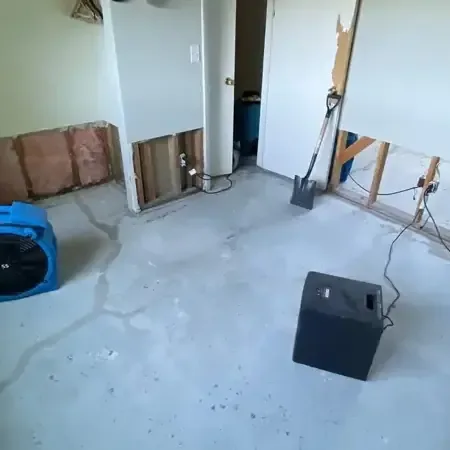
In Sandy Springs, the restoration team pulls standing water out, then dries wet floors, walls and framing with air movers and dehumidifiers until moisture readings say the job is done.
☎ (888) 532-4616Phone the drying crew nowMoisture logs and photos are kept for the insurance file, so the damage is documented from the first visit.
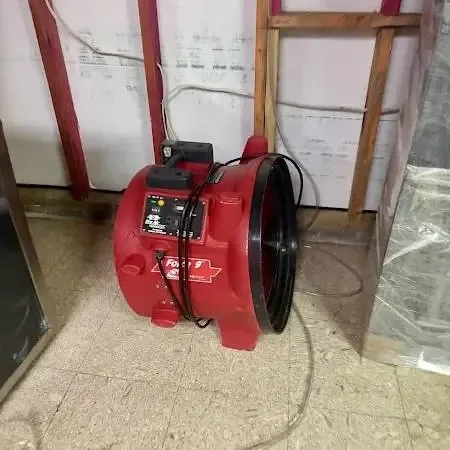
What drives water damage in Sandy Springs
Sandy Springs averages about 53.2 inches of rain a year, and the Chattahoochee River and several creeks run through or beside it, so storm water, plumbing failures and sewer problems all matter here.
Creek and river rises
Nancy Creek reaches flood stage at 11 feet at the Rickenbacker gauge, and homes beside any creek can take on water when a storm lifts it past that mark.
Heavy yearly rainfall
About 53.2 inches of rain fall in an average year, and in this humid subtropical climate a tired roof or drain shows up as a leak or a wet lower level.
Storm power cuts
Georgia Power reported more than 2,300 city homes without power the morning after the late September 2024 storm, and a power cut can stop any pump meant to move water.
Water and sewer service
The City of Atlanta Department of Watershed Management provides water service and Fulton County maintains the sewer, but once water or sewage is inside a home, cleanup is a separate job.
Winter freeze events
The January and February 2014 snow and ice storms left much of the Atlanta area without power, and a hard freeze can split an exposed pipe that shows itself at the thaw.
September 27, 2024
Nancy Creek peaked at 14.3 feet, 3.3 feet above flood stage, the city texted 17 residents to leave, and the Chattahoochee flooded a pier below Morgan Falls Dam.
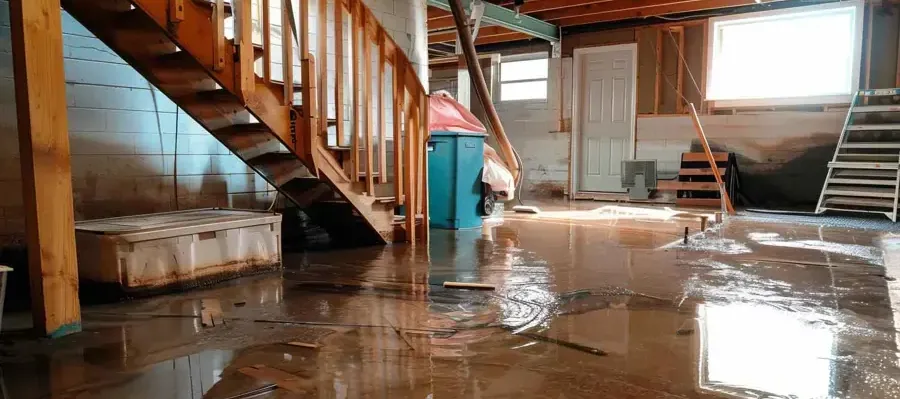
Services for every kind of water loss
Every job in Sandy Springs starts by tracing where the water went, then removing it and drying whatever it soaked, whether it came from a pipe, a storm or a drain.
 01
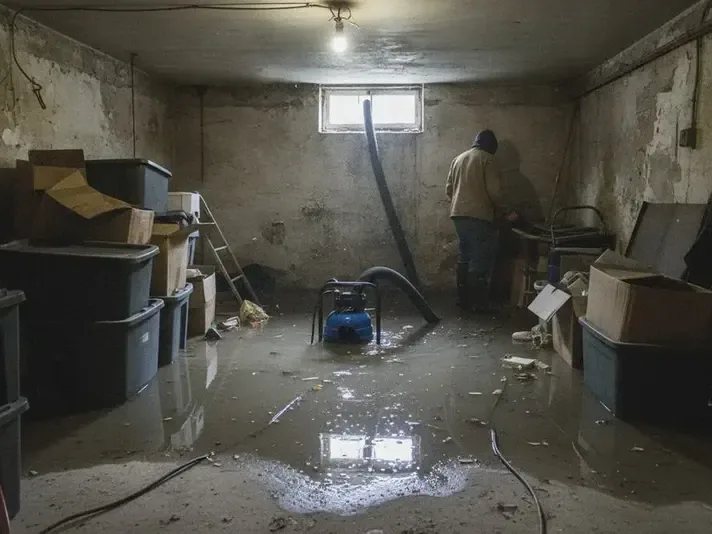
01Water Extraction and Removal
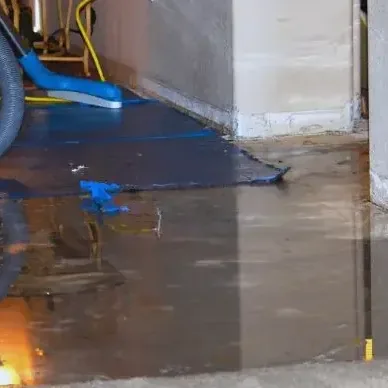
Pumps and wands pull standing water off floors and out of carpet and pad before it wicks into the walls.
 02
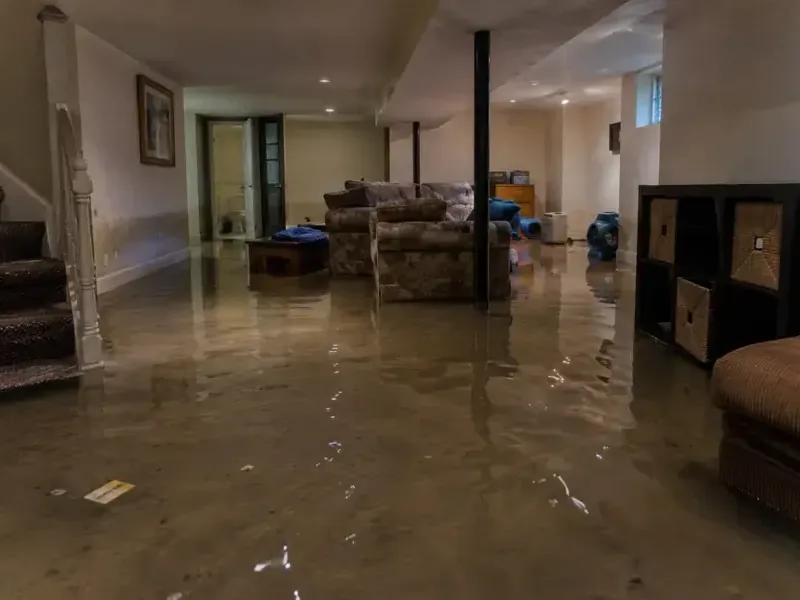
02Basement Flooding Cleanup
When rain or runoff reaches a lower level, the crew clears the water, removes soaked finishes and dries what remains.
 03
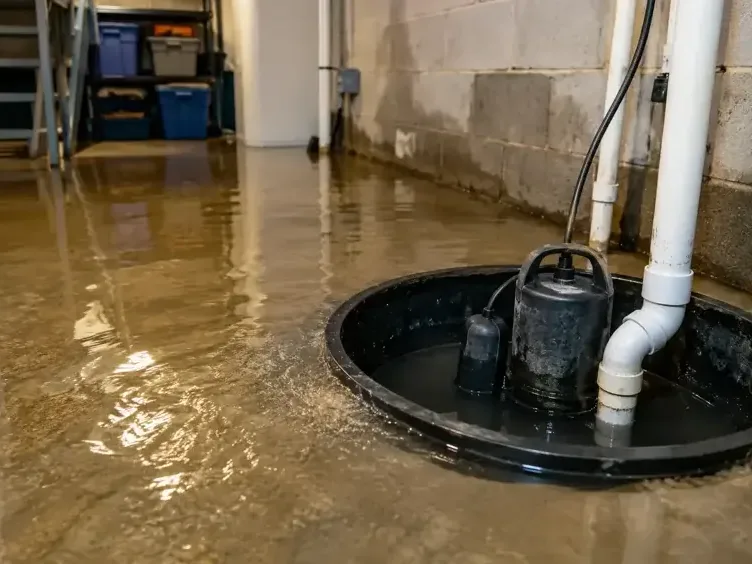
03Sump Pump Failure Cleanup
A pump that quits in a power cut or storm lets water spread across the floor, so extraction comes first.
 04
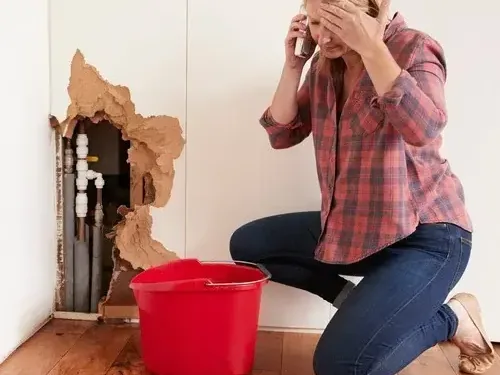
04Burst Pipe Water Damage
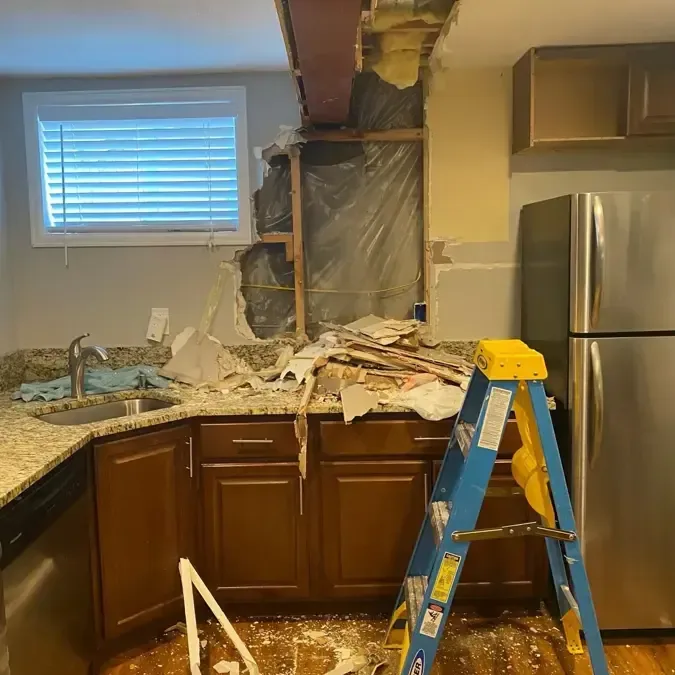
Once the water is off, the crew extracts the spill, opens the wet wall cavity and dries the framing.
 05
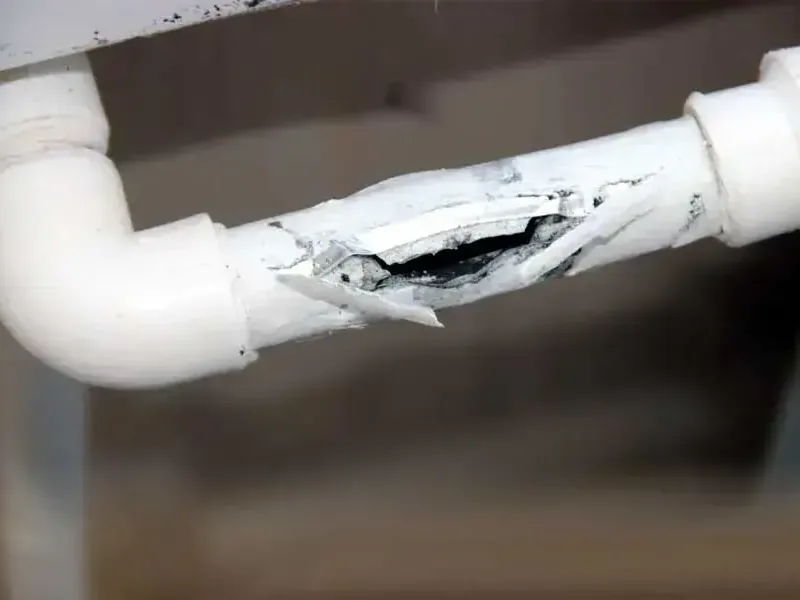
05Frozen Pipe Water Damage
A pipe that froze and split lets go at the thaw, and the crew dries wet walls and ceilings.
 06
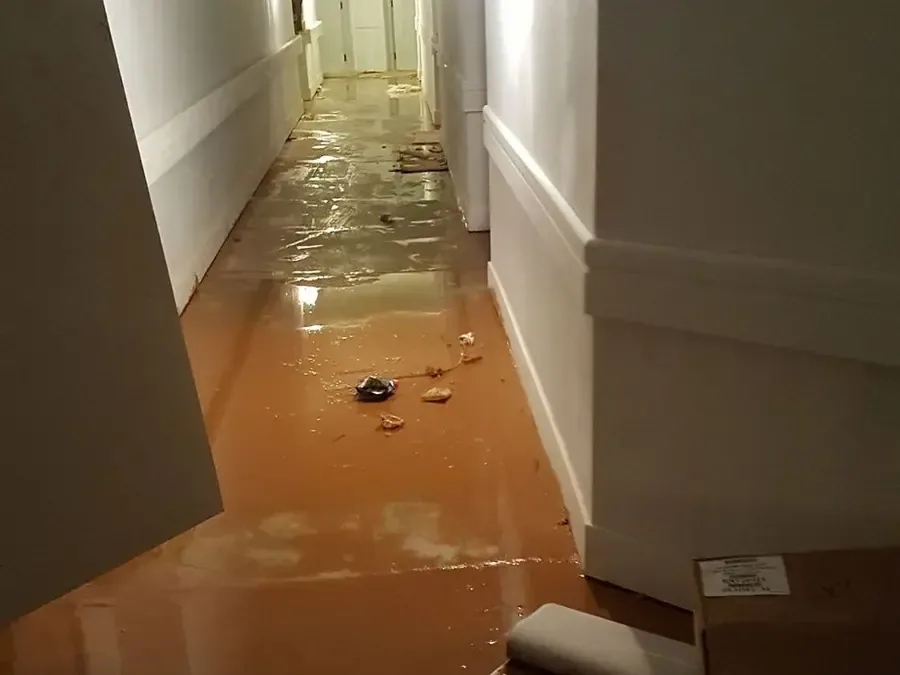
06Storm and Flash Flood Cleanup
Creek rises and hard storms push muddy water indoors, and the crew clears out silt and soaked materials.
 07
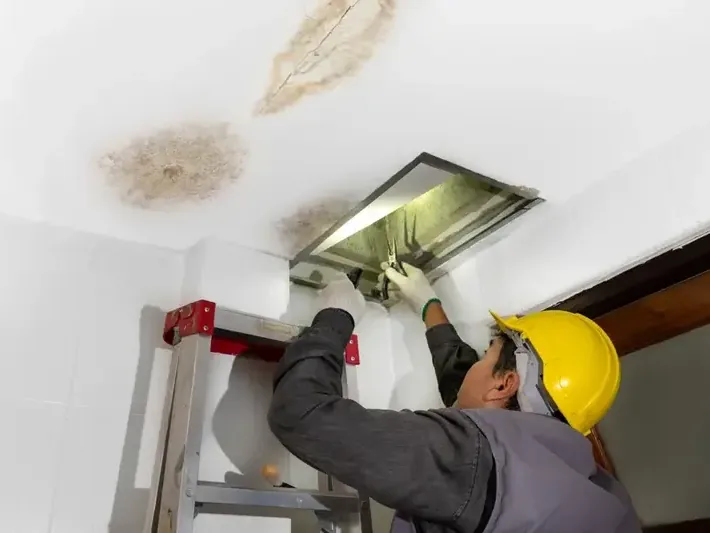
07Roof Leak Water Damage
Fallen limbs and long rain can open a roof, and the crew dries the attic, insulation and ceilings.
 08
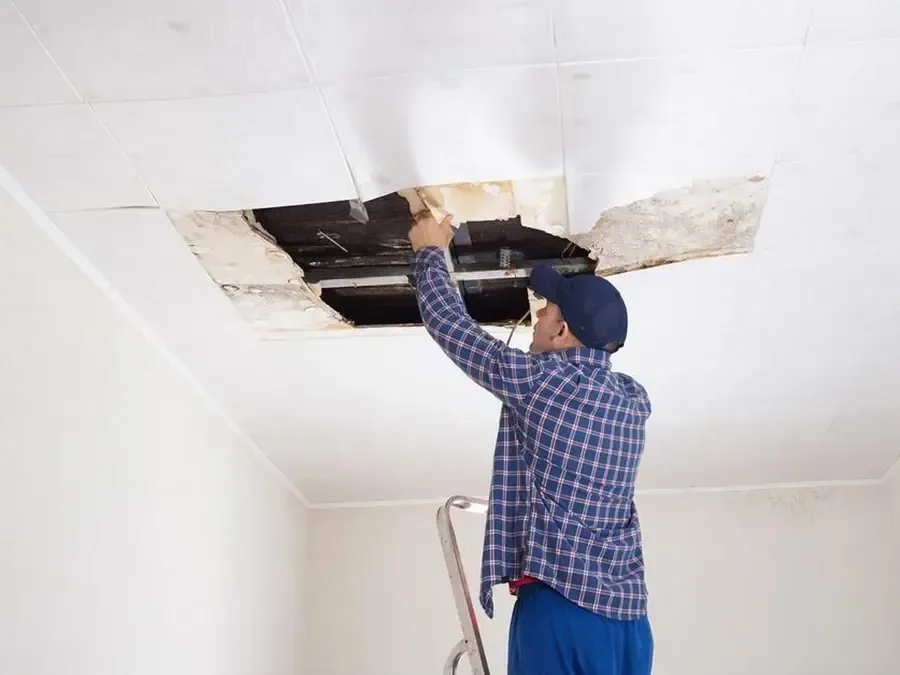
08Ceiling Leak Water Damage
A leak from a floor above travels through ceilings and walls, so wet spots are found and opened to dry.
 09
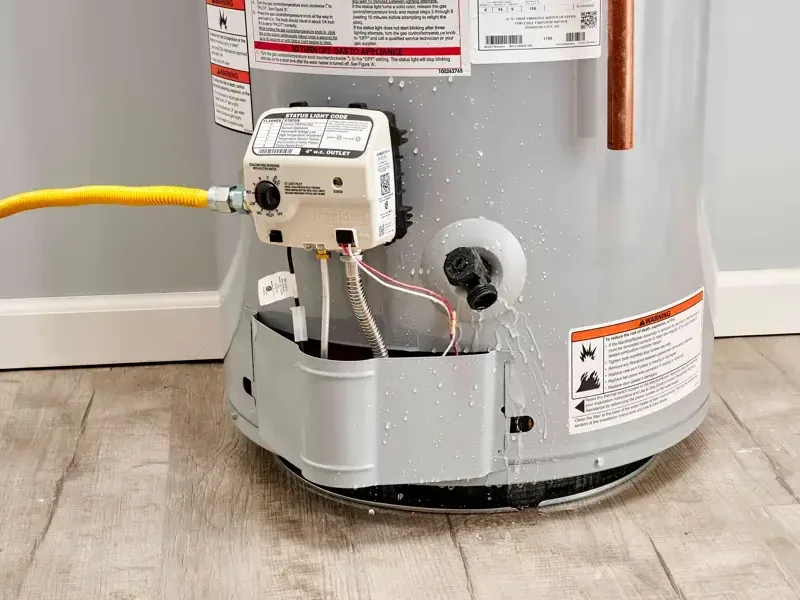
09Water Heater Leak Cleanup
A failed tank can empty onto the floor at once, and cleanup means extraction, then drying the floor and wall base.
 10
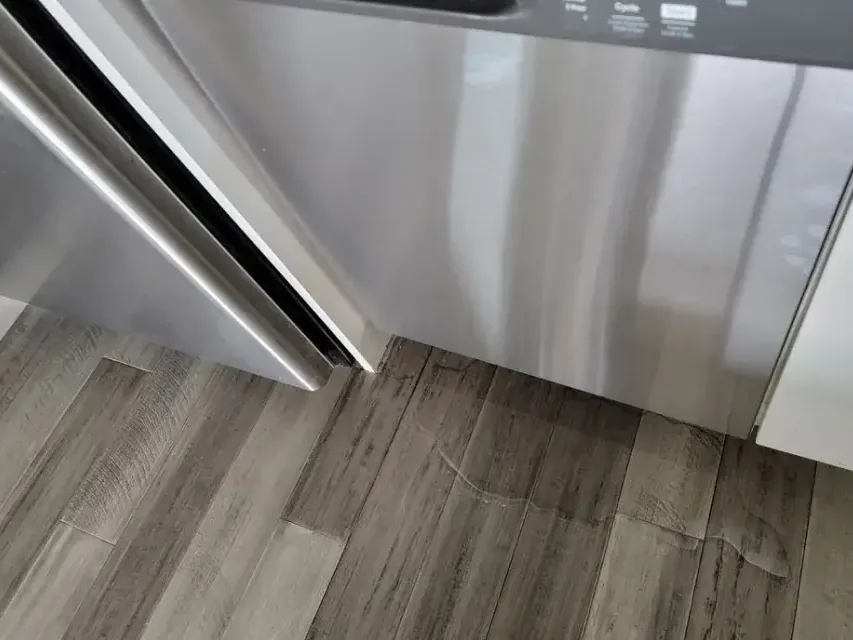
10Appliance Leak Water Damage
A slow leak from a washer or dishwasher soaks floors and wall bases unseen, so moisture mapping comes first.
 11
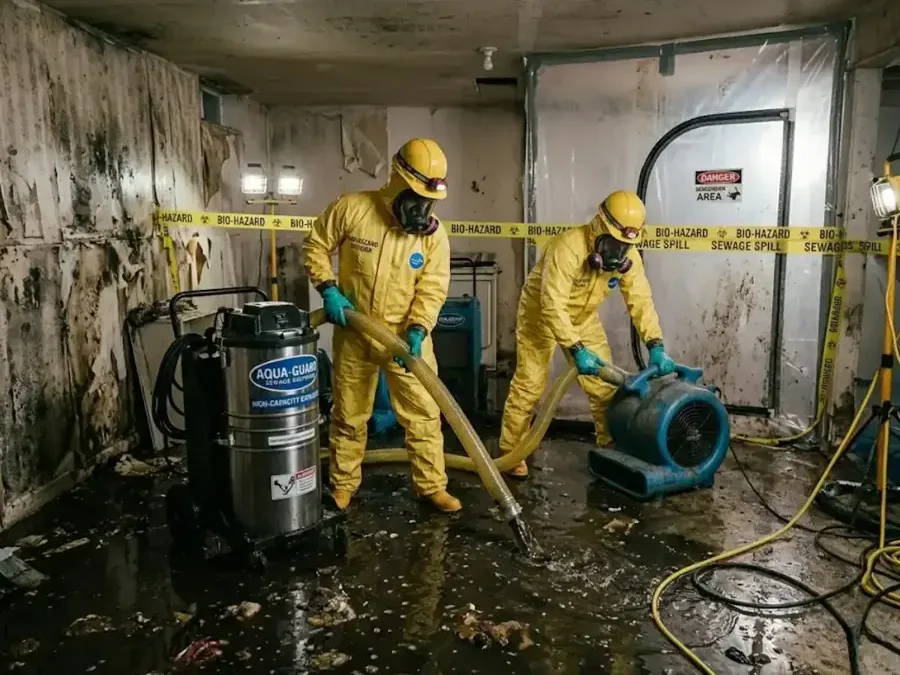
11Sewage Backup Cleanup
Sewage is contaminated water, so the crew removes it, sanitizes affected surfaces and discards porous materials it soaked.
 12
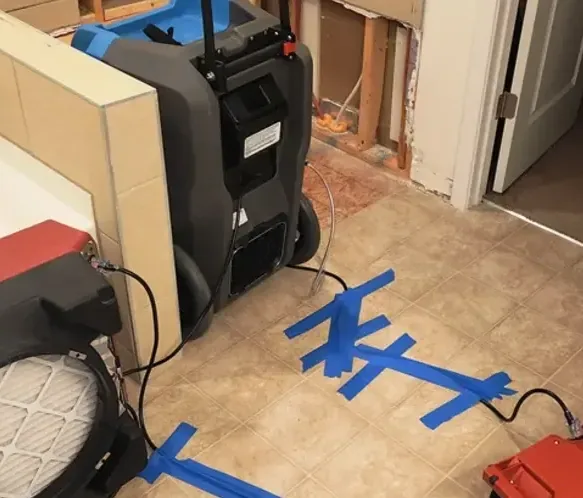
12Structural Drying and Dehumidification
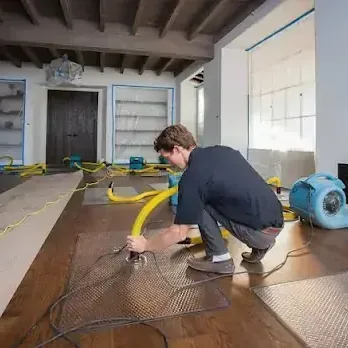
Air movers and dehumidifiers dry wet framing, and daily moisture readings decide when the equipment leaves.
What to do right after water appears
Stay safe first
Keep out of rooms with deep water or sagging ceilings, and stay away from outlets and cords sitting in or near the wet area.
Shut off the source
Close the valve to a leaking fixture or appliance. If a storm brought the water, lift belongings out of reach.
Photograph the damage
Take photos and short video of the water and damaged items before anything is moved.
Call the drying team
Describe what happened, where the water is and how long it has been there, so the right equipment is planned.
Hold off on cleanup
Do not run a household vacuum on water or walk on soaked carpet, and leave wet drywall alone.
Drying finished by readings, not guesswork
The mitigation team follows a set order on every job: stop and remove the water, open what is wet, dry with equipment, and confirm the result with moisture readings before anything is rebuilt.
- 1
Find and stop
The crew traces the water to its source and checks how far it reached into floors, walls and ceilings.
- 2
Extract
Pumps, wands and vacuums pull standing and absorbed water out of the structure, which is the biggest single step in shortening the dry time.
- 3
Open and dry
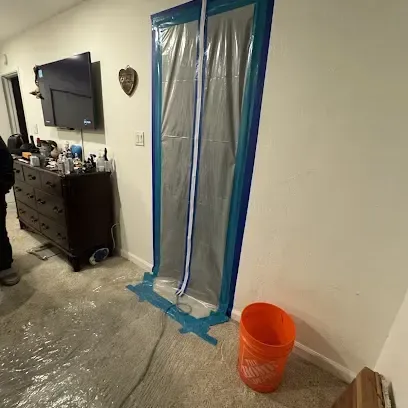
Wet baseboard, drywall or flooring is opened where needed, then air movers and dehumidifiers run while readings fall toward normal.
- 4
Verify and document
Final readings are compared with dry reference points, and the log and photos are saved so the result can be shown to an adjuster.
Three types of water, three kinds of cleanup
Clean water
A broken supply pipe releases clean water, which is the easiest kind to handle, but it still soaks drywall and flooring fast and needs extraction and drying.
Burst pipe cleanup ›Gray water
Washer, dishwasher and similar appliance leaks carry some contamination from soap and food residue, so soaked carpet pad and cabinet bases are often removed rather than saved.
Appliance leak cleanup ›Black water
Sewage backups and creek flooding bring bacteria and silt indoors, so affected porous materials are removed and hard surfaces are cleaned and sanitized before drying finishes.
Sewage backup cleanup ›How much does water damage restoration cost?
Typical jobs run from about $1,200 for one wet room to $30,000 when several levels or sewage are involved, and the water category, the materials soaked and the days of drying equipment decide where a job lands in that range.
Documentation that supports a water claim
A claim goes smoother when the damage is recorded early, so the crew photographs conditions, logs moisture readings and keeps the drying notes in one organized file.
- Photos and short video of every wet room before cleanup starts
- A written list of damaged furniture, flooring, electronics and belongings
- The date and cause of the loss
- Moisture logs and equipment records from each visit
- Receipts for any emergency repairs and temporary fixes
Working with the adjuster
Report the loss to the insurance company early and describe the damage plainly, because the carrier decides coverage and the restoration team does not.
Keep damaged materials until the adjuster has seen them or approved removal, and ask the carrier what it needs before any rebuilding starts.
These figures are typical ranges, not quotes, and a firm number comes only after the crew checks moisture in the affected rooms and sees which materials must come out.
Where the crew works across Sandy Springs
Main corridors
Nearby areas
Reach the crew from anywhere in town
Homes near Nancy Creek, apartments along Roswell Road and offices in Perimeter Center share one first move: removing the water before it spreads.
Call day or night and describe the water, and the restoration team talks through what to shut off and what to move while the job is scoped.
☎ (888) 532-4616Speak with the extraction crewEquipment and techniques used on water jobs
Drying that is measured, not guessed
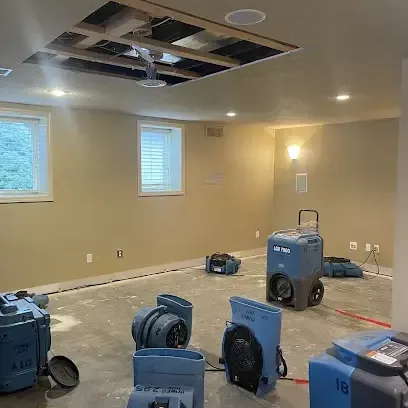
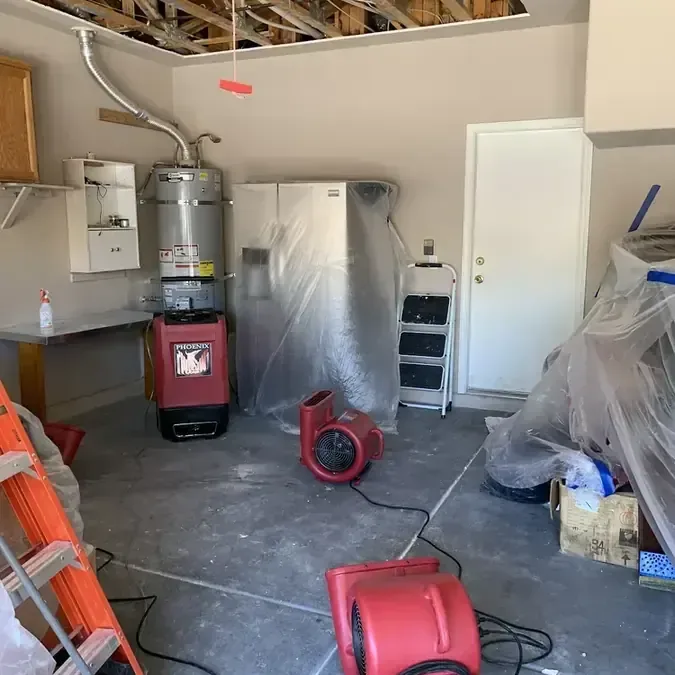
The drying team tracks moisture with meters and logs readings room by room, so equipment keeps running until walls, framing and floors are actually dry, not just dry to the touch.
Moisture mapping
Meters and thermal cameras show where water traveled behind finishes, so hidden wet areas are found instead of guessed.
Extraction before drying
Removing standing water first shortens drying, because equipment then works on what is absorbed rather than what is pooled.
Clear job records
Readings, photos and equipment notes are kept for each job, which gives an adjuster the facts behind the drying schedule.
Water and sewage only
The work is limited to water loss and sewage backups, so the crew, equipment and methods are built around that one problem.
Common water damage questions
How quickly does water damage spread?
Water wicks into drywall, trim and flooring quickly, and damp materials can begin to grow mold in 24 to 48 hours, so removing the water and starting equipment early limits what has to be torn out.
Who handles a sewage backup in a home?
A blockage is a matter for Fulton County Sewer Services, but sewage that has backed into a home is contaminated, and cleaning it up is a separate job for a crew with sanitizing equipment.
What should be done first after a pipe bursts?
Shut off the water at the valve, turn off power to wet areas if it is safe, move belongings out of the wet zone and call a restoration crew so extraction and drying can begin.
Does homeowners insurance cover water damage?
Coverage depends on the policy and the cause, and sudden events are treated differently from slow leaks, so the carrier makes that call; photos and moisture logs from the start support the claim.
Can wet carpet and drywall be saved?
Clean water caught early often lets carpet, flooring and drywall stay, while sewage or long-soaked porous materials usually must go, and moisture readings taken after extraction decide each case.
How long does structural drying take?
Most jobs keep drying equipment running for several days, though dense materials such as hardwood and framing take longer, and the equipment stays only until moisture readings return to a normal range.
What happens when a creek floods a home?
After a creek rise like Nancy Creek's in late September 2024, floodwater carries silt and bacteria, so the crew pumps it out, removes soaked porous materials, sanitizes what stays and dries the structure.
How is a water heater leak cleaned up?
A failed tank can release a full load of water, so the crew extracts that water first, then checks the floor and the base of nearby walls with a meter and dries them before anything is replaced.
Do apartments need different handling for ceiling leaks?
A leak in a multi-story building can travel to the units or floors below, so the crew checks ceilings and walls under the source, not only the room where the water first showed.
How does a roof leak get dried out?
Roof repair is a roofer's job, while the crew dries the wet ceilings, attic space and insulation and checks the walls below with a meter before the repairs are closed up.
Water is spreading through a Sandy Springs home? Call the restoration crew now
Extraction, drying and cleanup start with one call, and the crew explains the plan before any equipment is set.
(888) 532-4616Start with one phone call