Water Damage Restoration Lilburn, GA
From early 1970s communities such as Hanarry Estates to 2020s builds such as Annsbury Park, a leak soaks pad, drywall and framing within hours. Extraction comes first, then structural drying held to IICRC S500.
☎ (888) 532-4616Name the room and the water sourceIf the shutoff is safe to reach, close it, keep clear of outlets near the water, then phone dispatch.
How water gets into homes around Lilburn
Homes here range from communities with early 1970s median build years to 2020s builds, Gwinnett County maintains the public storm drainage, and the owner maintains the private sewer lateral out to the right-of-way.
Private sewer laterals
Gwinnett County says the owner maintains the private lateral out to the edge of the right-of-way. Roots and buildup in that pipe push sewage up the lowest drain, a job for sewage backup cleanup.
Backwater valves
Georgia plumbing code requires a backwater valve when the lowest fixture sits below the next upstream manhole, and the County is not responsible for backup damage if a required valve is missing; see basement flooding cleanup.
Storm runoff
National Weather Service alerts for the 30047 area warn that excessive runoff can flood creeks, streams and low-lying spots, with poor-drainage areas most at risk.
Storm drains are separate
Street and parking-lot storm drains do not lead to treatment, and storm water that leaks into the sewer, called inflow and infiltration, takes up pipe capacity.
Mixed housing ages
Communities range from Hanarry Estates, with a 1970 median build year, to Annsbury Park in 2025, so pipes, finishes and flooring differ from house to house.
2023 federal report
A U.S. Geological Survey report studied 15 Gwinnett County watersheds from water years 2002 to 2020 and found septic and sewer infrastructure mixed in all of them.
Water Damage Restoration Services in Lilburn, GA
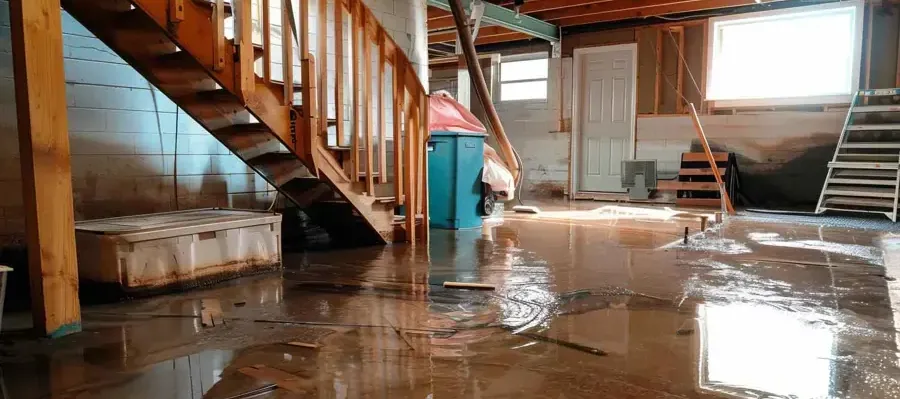
Twelve water services, from the first extraction in a flooded room to the final dry reading, each with its own page covering the details, the steps and typical costs.
 01
01Water Extraction and Removal
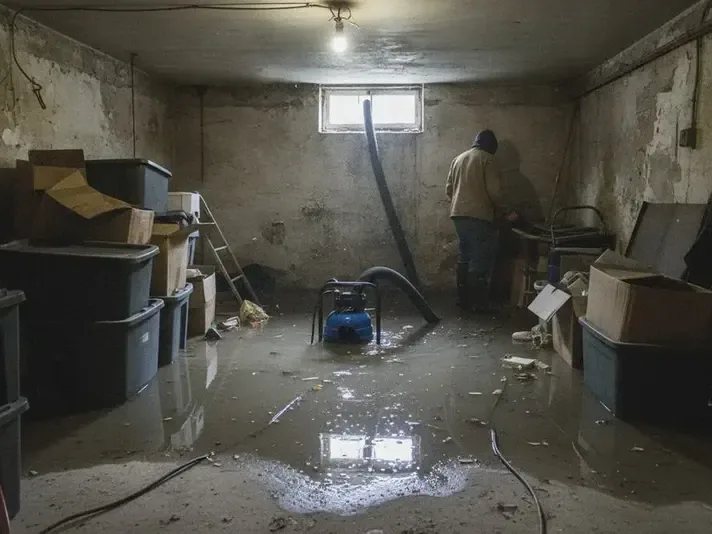
Truck-mounted and portable extractors draw standing water out of carpet, padding and hard flooring before drywall soaks it up.
 02
02Basement Flooding Cleanup
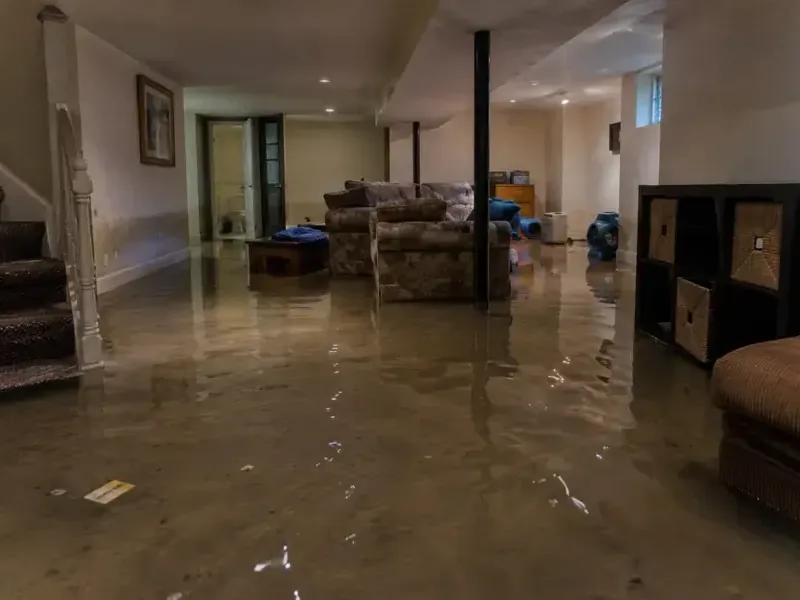
Where a home has a lower level, standing water is pumped off the slab and the finishes and framing are dried.
 03
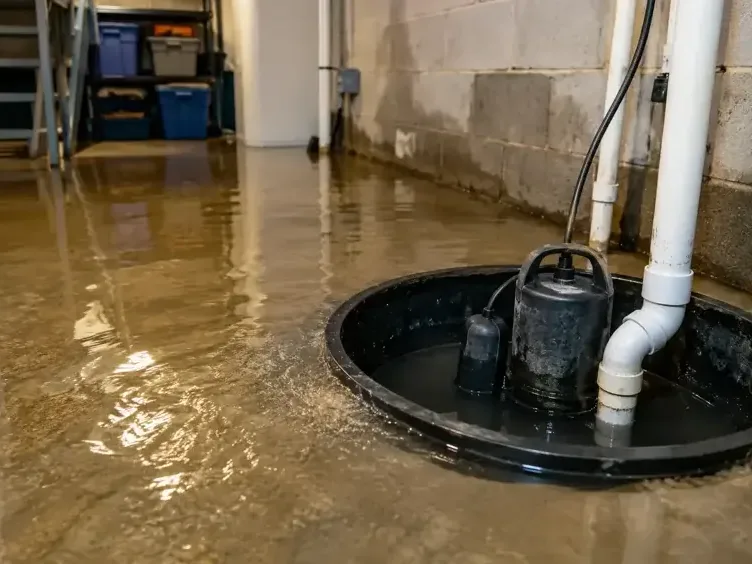
03Sump Pump Failure Cleanup
A stalled float or a power cut during a storm lets the pit overflow; the slab is extracted and dried.
 04
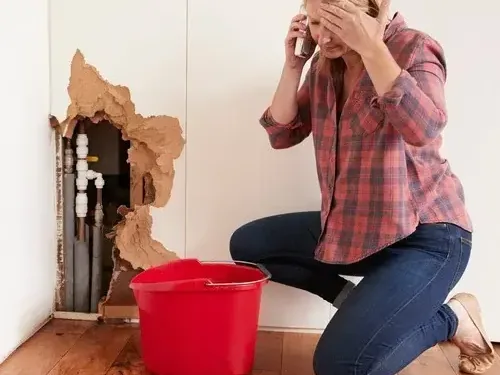
04Burst Pipe Water Damage
A split supply pipe inside a wall or ceiling is extracted fast and the wet cavity opened and dried.
 05
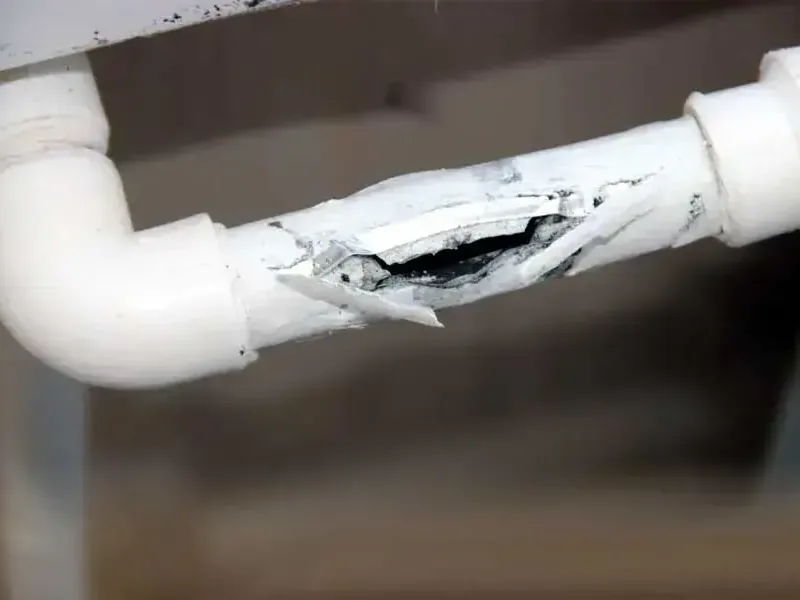
05Frozen Pipe Water Damage
Pipes in garages and exterior walls that split during a hard freeze and leak once the ice melts.
 06
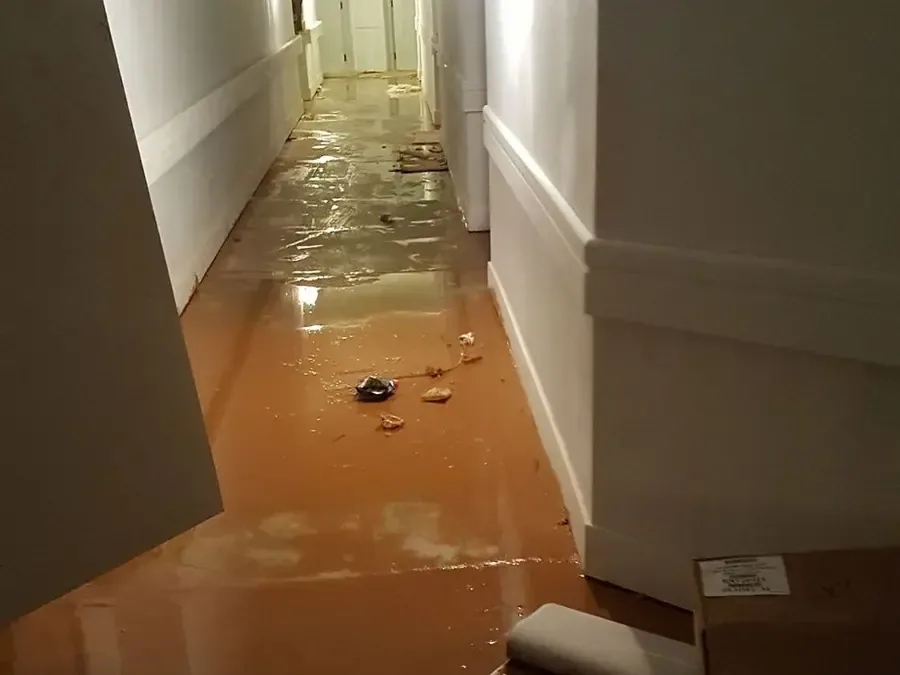
06Storm and Flash Flood Cleanup
Runoff and storm water that reach the house are handled as Category 3, removed and dried.
 07
07Roof Leak Water Damage
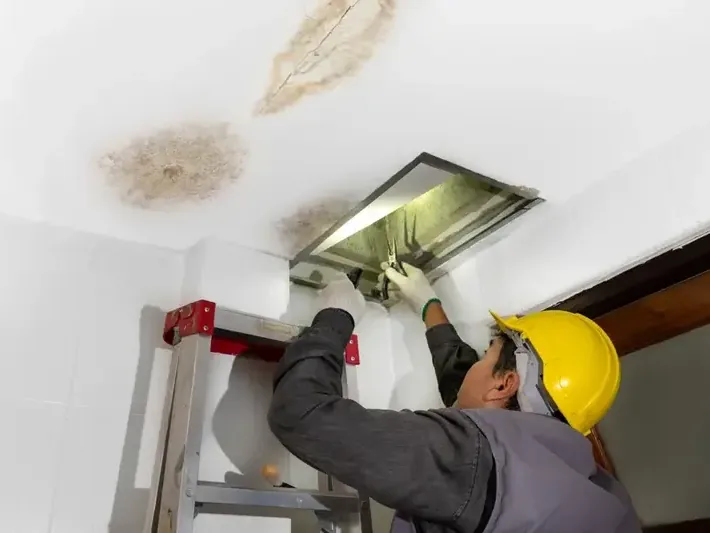
Rain past shingles, flashing and vent boots: wet attic insulation comes out and the ceilings below are dried.
 08
08Ceiling Leak Water Damage
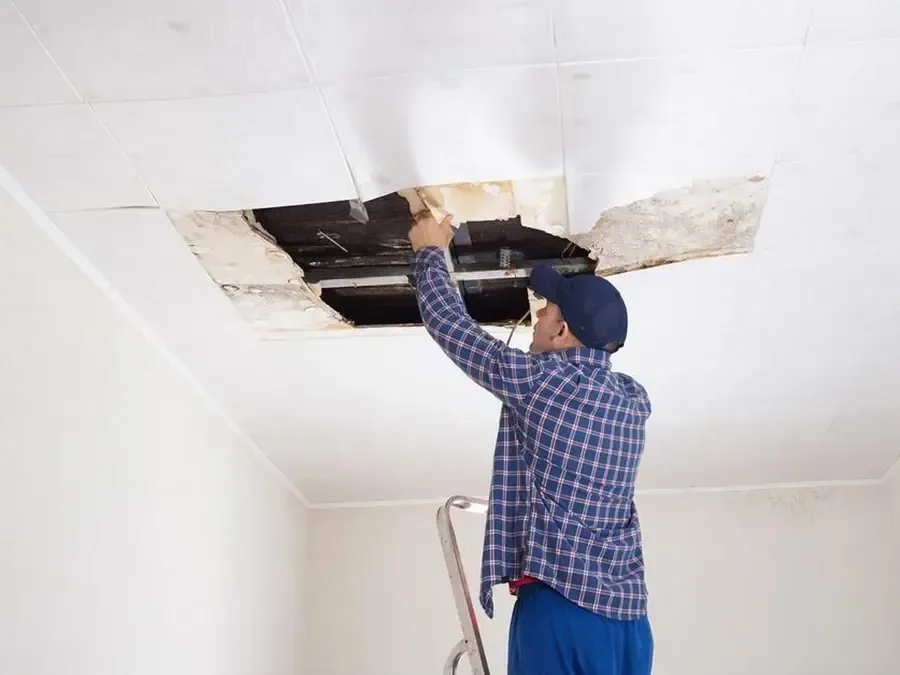
A tub drain, toilet seal or HVAC pan leak upstairs traced, the wet ceiling opened and joists dried.
 09
09Water Heater Leak Cleanup
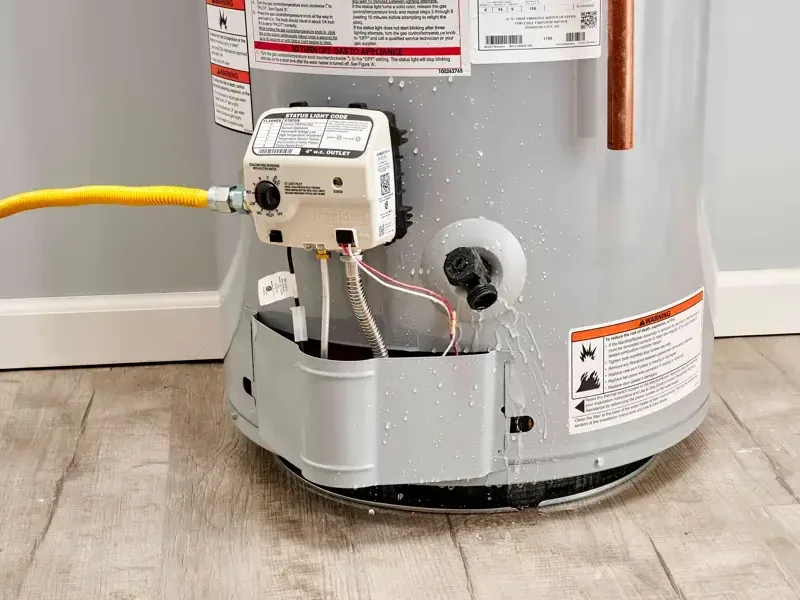
A failed tank in a garage, a closet or a utility room extracted before nearby walls and stored boxes soak through.
 10
10Appliance Leak Water Damage
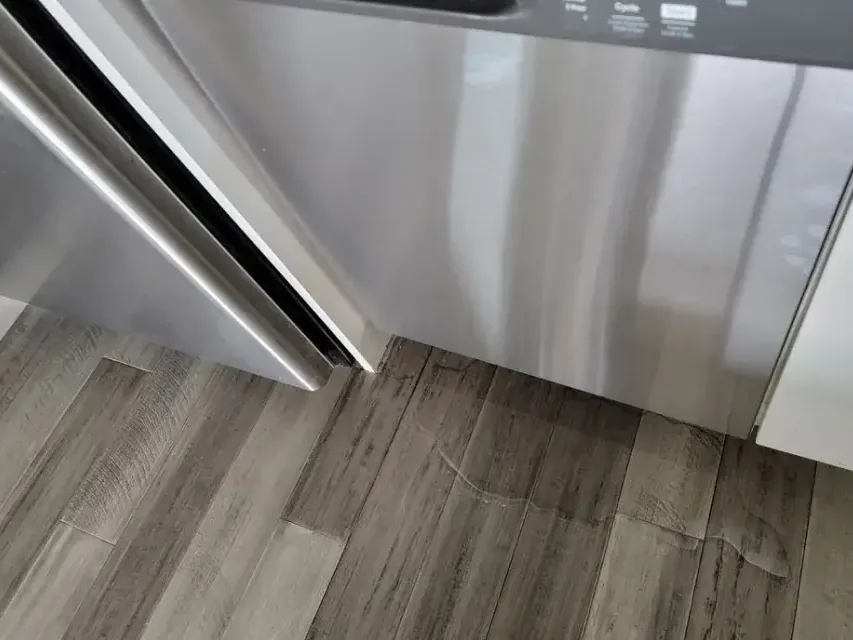
Washer hose, dishwasher and ice maker leaks dried out of floors, cabinet bases and the room below.
 11
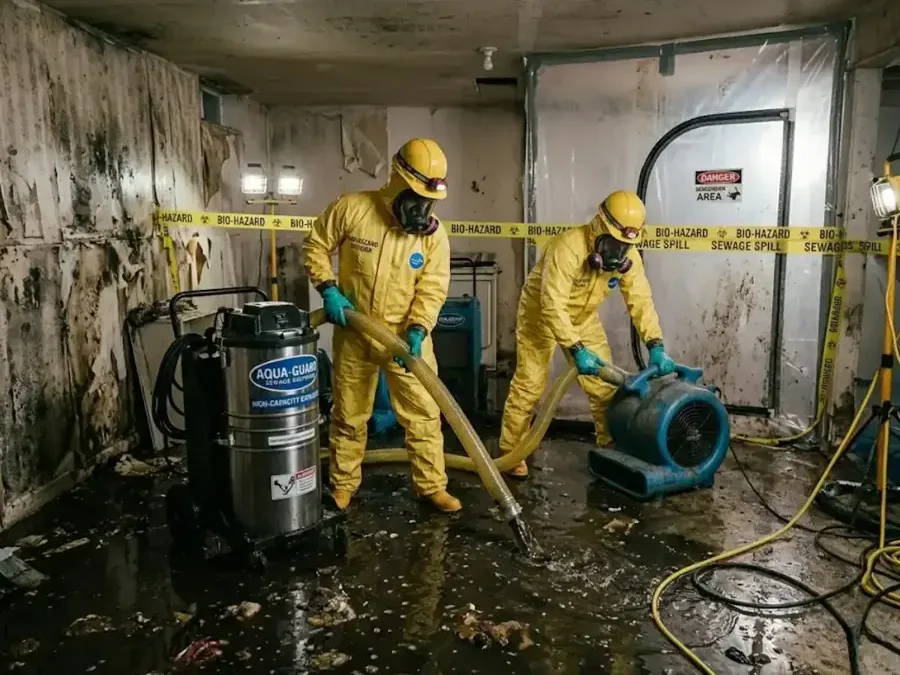
11Sewage Backup Cleanup
Toilet, drain and cleanout backups handled as Category 3, with PPE, removal of porous materials and an antimicrobial at dwell time.
 12
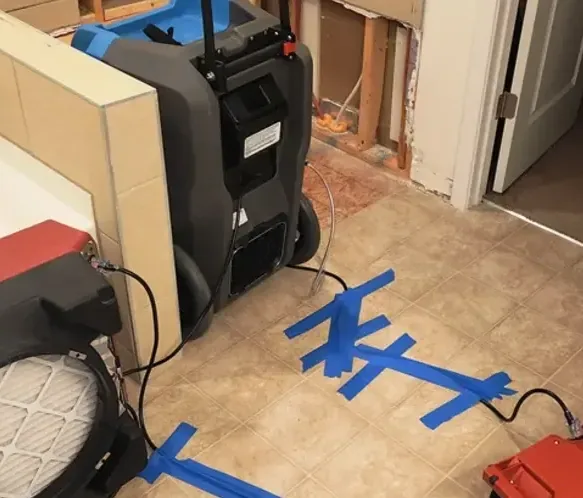
12Structural Drying and Dehumidification
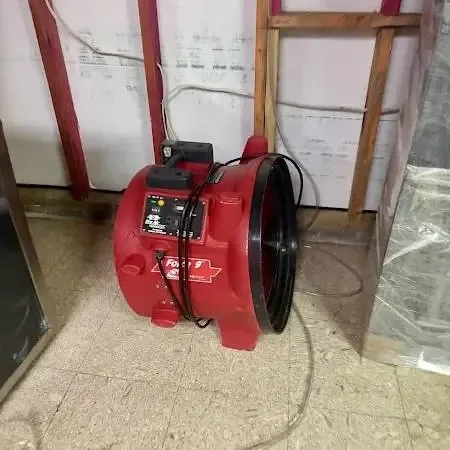
Air movers and LGR dehumidifiers dry framing, subfloor and finishes to a measured dry reference.
Five things to do before the extraction crew arrives
Shut the main valve
The shutoff is usually where the supply pipe comes into the house, often in a garage, a utility room or by the water heater; turn it clockwise.
Turn off power to wet rooms
If water touched outlets, cords or the electrical panel, flip those breakers while standing on a dry floor, or wait for the crew.
Stop using the drains
If a toilet or a floor drain is backing up, hold off on flushing, showers, laundry and the dishwasher.
Photograph everything first
Take wide shots and close-ups of each wet room, the leak and any ruined belongings before anything gets moved.
Get things off the floor
Raise rugs, boxes and electronics, and slip foil squares or wood blocks under the furniture legs.
From the first call to a measured dry reading
IICRC S500 is the benchmark restoration contractors follow on water losses. It sorts water by contamination, rates the loss by how much moisture materials absorbed, and calls a material dry once it reads 2 to 4 points from an untouched sample.
- 1
Walkthrough and moisture map
A technician tracks down the source, marks every wet surface with meters and an infrared camera, and documents each room before demolition.
- 2
Extraction
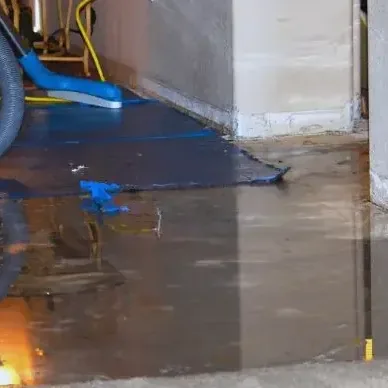
Standing water leaves through truck-mounted or portable units, which cuts the number of drying days more than any other step.
- 3
Drying and daily readings
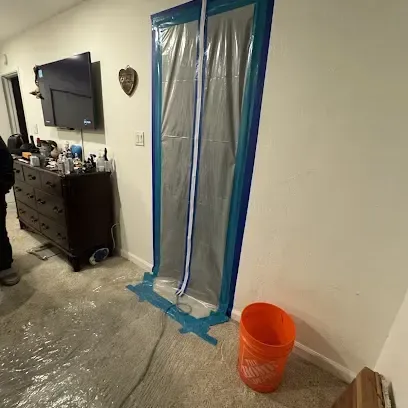
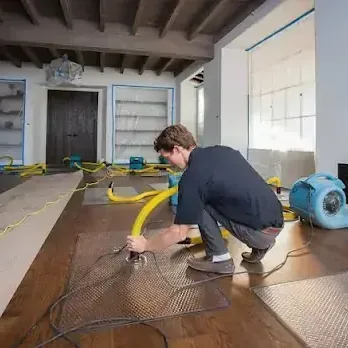
Inside plastic containment, air movers and LGR dehumidifiers run while a technician records humidity and material moisture on each visit.
- 4
Dry, recorded, handed back
Once readings match the unaffected samples, the gear comes out and the homeowner gets the map, the logs, the photos and a detailed scope of work.
Category 1, 2 or 3: why the water source matters
Clean water
A broken supply pipe, a ruptured water heater or a leaking ice maker hose. When extraction starts quickly, this water usually dries where it sits with air movers and dehumidifiers.
Burst pipe water damage ›Gray water
Water from a washing machine discharge, an overflowing dishwasher or a toilet that ran over without solids. The padding gets pulled and surfaces are treated with an antimicrobial before drying.
Appliance leak water damage ›Black water
Sewage from a blocked lateral, or surface runoff from outside the house. Anything porous it soaked is cut out and hauled away rather than dried.
Sewage backup cleanup ›What does water damage restoration cost in Lilburn, GA?
A single wet room here usually costs $1,200 to $4,500. Several rooms or a finished lower level runs about $4,000 to $12,000, and sewage jobs go higher. Contamination, wet square footage, material class and how soon drying began set the figure.
Records an adjuster can work from
Adjusters decide water claims from the paperwork. The restoration team opens that record at the first walkthrough, so it shows exactly what got wet and how the drying went.
- A moisture map for each room, starting at the first visit
- Psychrometric readings logged daily: temperature, relative humidity, grains per pound
- Date-stamped photos from before any removal
- The water category and loss class, written down
- An itemized scope covering extraction, removal and drying
Read your own policy
Many homeowners policies treat sudden water, such as a burst pipe, differently from flooding or a slow leak, and sewer backup often needs its own endorsement.
Gwinnett County suggests asking about an upper lateral rider on homeowners insurance, since the owner maintains the private sewer lateral. Check the declarations page before work starts.
These are typical ranges rather than a quote; the real scope comes from walking the home with a meter. The cost calculator narrows it using water type, wet area and how long it sat.
Where the restoration team works across ZIP 30047
Neighborhoods and corridors
Nearby cities
Water in a room, a ceiling or a lower level anywhere here?
The response team covers ZIP 30047, from Old Town Lilburn and Lawrenceville Highway out to the 1970s communities and the newer builds around them.
Water outages and sewer overflows are reported through Gwinnett County. For water inside the house, give the street and the wet room when calling.
See every town and neighborhood covered ›
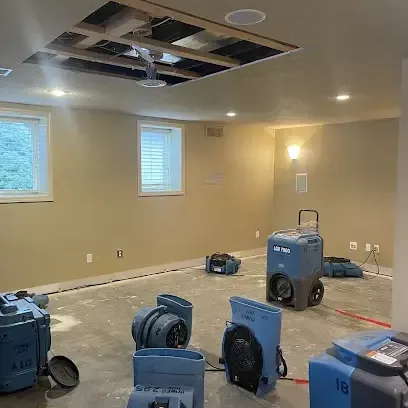
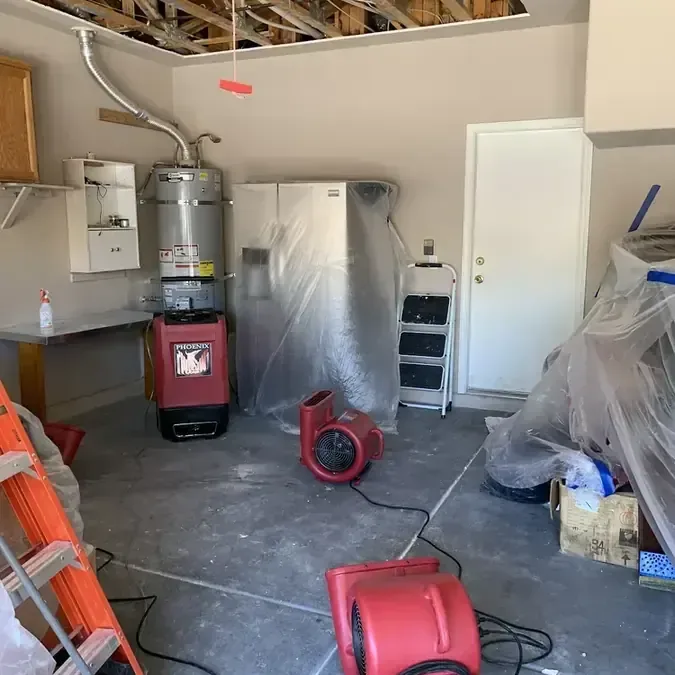
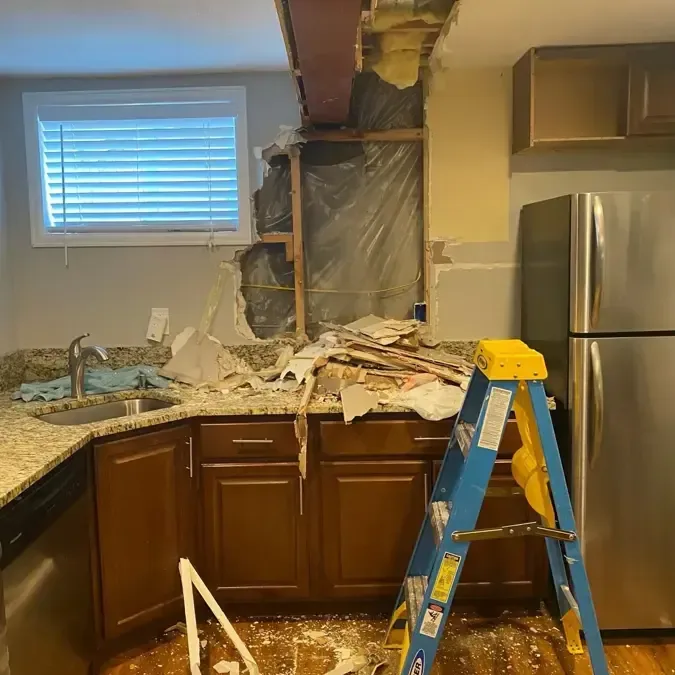
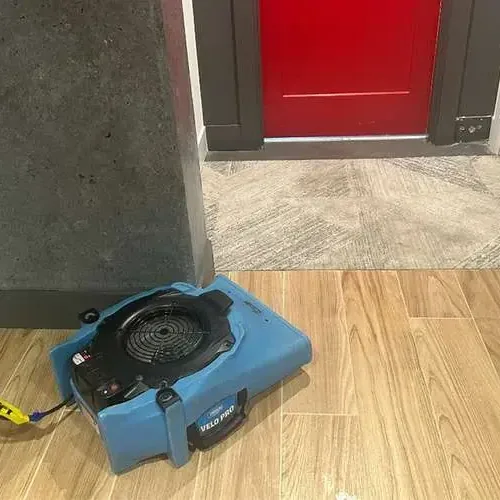
☎ (888) 532-4616Give dispatch the street and the roomWhat a water damage dry-out looks like, from extraction to final readings
Built for 1970s communities and newer builds alike
Homes here range from early 1970s communities to 2020s builds, so materials differ house to house. Readings and photos, not guesses, set the scope, and equipment stays until the numbers say dry.
24/7 dispatch
Running water counts as an emergency at any hour, including nights, weekends and holidays, and the trucks carry extraction units and LGR dehumidifiers.
IICRC S500 drying
The goal is dry framing and subfloor, not a dry-looking surface: equipment is sized to the class of loss and checked against unaffected samples each day.
Claim-ready records
Moisture maps, psychrometric logs from every visit and photos stamped with date and time before anything is removed, organized the way adjusters review a water file.
Sewer and drain know-how
Private lateral, cleanout and backwater valve questions get checked on the walkthrough, since the owner maintains the lateral out to the right-of-way.
Water damage questions from Lilburn homeowners
How soon can water extraction start?
Dispatch handles running water as an emergency around the clock and sends the closest free crew with pumps, air movers and dehumidifiers. The arrival time is given on the phone, since traffic and open jobs vary.
Does homeowners insurance cover water damage in Lilburn?
A pipe that suddenly bursts or a water heater that fails outright is commonly covered. Outside flooding, long slow leaks and sewer backups fall under different rules, and backups often need an added endorsement. Read your own policy.
Who fixes a sewer lateral that backs up?
Gwinnett County says the owner maintains the private lateral out to the edge of the right-of-way, and the County maintains the cleanout at the right-of-way. A plumber clears the lateral; the mitigation team cleans up inside.
What is a backwater valve, and is one needed?
It lets sewage leave the house but blocks it from flowing back in. Georgia plumbing code requires one when the lowest fixture sits below the next upstream manhole, and the owner maintains it.
How long does drying take?
Small clean water losses that get equipment quickly often finish in three to five days. Hardwood, a soaked subfloor or concrete stretch that out. The gear stays until wet materials read close to an unaffected sample.
What is the IICRC S500 standard?
S500 is the restoration industry's reference for water work. It covers how water is graded, how losses are classed, what dry means and how readings get logged, which is the record adjusters look for.
When does drywall have to come out?
Any drywall that sewage or floodwater touched is removed. After a clean water leak, small holes drilled near the floor often let it dry where it hangs, unless the meter keeps reading wet or the face paper peels.
Why is a sewage backup handled differently?
Sewage counts as Category 3 from the first minute. Technicians suit up in PPE, seal the area, pull out soaked carpet, padding and lower wallboard, and leave an EPA-registered antimicrobial on surfaces for the full labeled contact time.
What should happen before the crew arrives?
Turn the main valve off, cut breakers for wet rooms while standing somewhere dry, pause every drain if one is overflowing, take photos, and pick rugs and boxes up off the soaked floor.
Why does the 24 to 48 hour window matter?
Wet drywall, padding and wood can start growing mold within 24 to 48 hours. Getting water out and air moving right away keeps a leak from turning into a much larger repair.
Wet floors, a dripping ceiling or a drain backing up? Start the dry-out tonight.
A single call puts extraction gear, LGR dehumidifiers and moisture meters on the road to the house, 24/7.
(888) 532-4616Send the drying crew tonight