Storm and Flash Flood Cleanup in Lilburn, GA
Runoff that reaches a home brings mud, debris and whatever it crossed. The extraction crew pumps out the water, removes what it soaked and dries and cleans the structure.
☎ (888) 532-4616Report the floodwater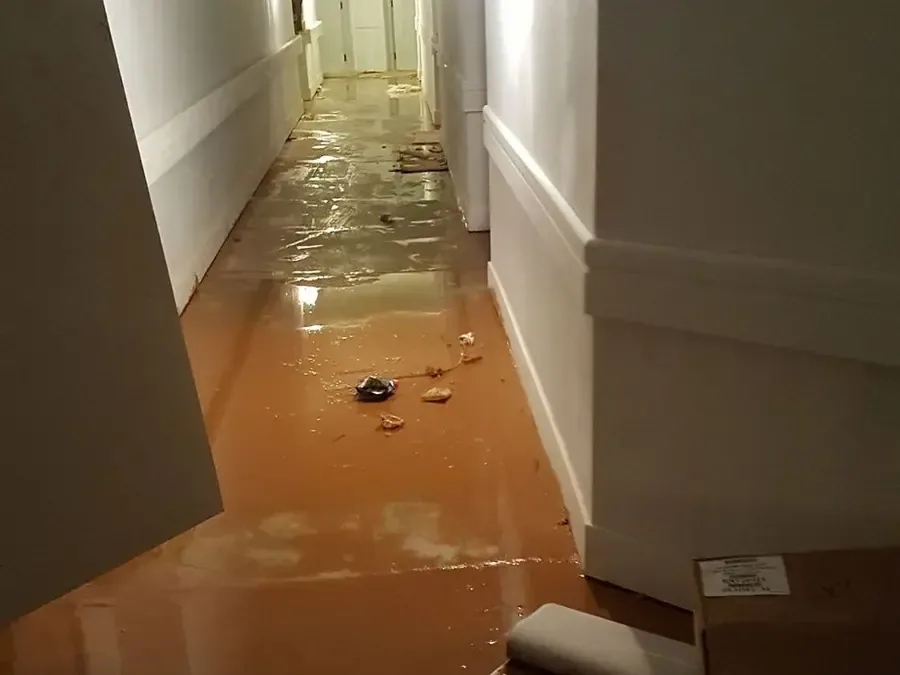
National Weather Service alert text carried on a 30047 weather page warns that excessive runoff may flood creeks, streams and low-lying or flood-prone locations, with poor-drainage and urban areas most at risk. Storm and flash flood cleanup is the work that follows when that runoff reaches a home.
Where the runoff goes
Gwinnett County Department of Water Resources inspects and maintains the public storm drainage system in Lilburn under a Stormwater Intergovernmental Agreement. Street and parking-lot storm drains are separate from the sanitary sewer and do not lead to treatment facilities. Pounds Creek, near Lilburn, is a Georgia DNR Environmental Protection Division water quality monitoring site.
Why floodwater is handled differently
- It carries soil, bacteria and debris from outdoors
- Porous materials such as carpet and padding are removed
- Surfaces are cleaned and sanitized after pump-out
- Drying starts only once contaminated items are out
From pump-out to dry
The crew clears standing water first, then shovels out mud and bags debris. Wet drywall, insulation and flooring that floodwater touched are cut out, and hard surfaces are cleaned. Air movers and dehumidifiers follow with logged readings, since mold can begin in 24 to 48 hours. The first step is the same as water extraction, only with contamination controls.
How storm and flash flood cleanup is handled, start to dry
Assess the water
The crew checks the water type, depth and contamination.
Pump and clear
Floodwater, mud and debris are removed.
Remove and clean
Soaked porous materials come out, and surfaces are cleaned.
Dry and verify
Equipment runs until readings return to dry.
First steps for storm and flash flood cleanup
Stay out of floodwater
Moving water and hidden debris are hazards, and the water may carry contaminants.
Switch off power if safe
Shut off a dry, reachable panel. Otherwise leave it to an electrician.
Wear protective gear
Boots, gloves and a mask are the minimum around anything it touched.
Photograph everything
Capture the water mark, damaged items and the surrounding area.
What does storm and flash flood cleanup cost in Lilburn, GA?
Storm and flash flood cleanup in Lilburn, GA usually runs from $3,000 to $40,000. Depth, how many rooms the water reached and whether it carried contamination from outside set where a job falls, along with how long it stood.
What moves the number
Ranges are typical, not a quote: the category of water, the square footage, the material class and how fast drying started move the number most. Run the water damage cost calculator for a closer range.
Storm and flash flood cleanup across Lilburn and nearby communities
The extraction crew covers ZIP 30047, from Old Town Lilburn along Lawrenceville Highway to Hanarry Estates, Stonemont, Brandlwood, Rivermist, Barrington Ridge and Garner Creek at Parkview.
The same service nearby: storm and flash flood cleanup in Tucker, Johns Creek, Dunwoody.
Water damage restoration in Lilburn › Every town covered ›Related water damage services in Lilburn
Storm and Flash Flood Cleanup questions, answered
Is floodwater from a storm safe to touch?
No. It can carry soil, bacteria and chemicals from the places it crossed, so it is treated as Category 3 water and handled with protective gear.
What gets thrown out after a flood?
Porous items such as carpet, padding, insulation and wet drywall are usually removed. Hard surfaces and framing can often be cleaned and dried instead. Lower levels follow the steps under basement flooding cleanup.
Does homeowners insurance cover flood damage?
Standard policies often exclude rising water from outside, which is usually covered under a separate flood policy. Check the wording and ask the carrier before assuming.
Who looks after the storm drains outside?
Gwinnett County Department of Water Resources inspects and maintains the public storm drainage system in Lilburn. A sewer overflow or illicit discharge is reported through Gwinnett County, not handled by the restoration crew.
How soon does mold become a risk?
It can start in 24 to 48 hours on damp materials, which is why the water comes out and drying begins as fast as the conditions allow.
Floodwater leaves more than water behind
Mud, debris and contamination spread through a home quickly. The extraction crew removes the water and anything it ruined, then the drying team brings the structure back to normal readings.
(888) 532-4616Clear the storm water