Water Damage Restoration Johns Creek, GA
When a pipe splits, a pump quits or a storm pushes water indoors, the restoration team removes the water, dries the structure and documents the loss for your claim. Call now, any hour.
☎ (888) 532-4616Give the street and the wet roomWater lingers in subfloors and wallboard after the puddle is gone, so moisture readings decide when drying ends.
Creeks, rivers and heavy rain around town
Johns Creek lies in the Upper Chattahoochee Watershed, and the city lists the Chattahoochee River, Autrey Mill Creek, Big Creek and Cauley Creek, plus the creek that shares the city's name, among its possible flood sources.
River and creek flooding
About 6 percent of the city lies within a regulated floodplain. In late 2009 the Chattahoochee River climbed to its highest levels since Buford Dam was built.
Storm runoff and sinkholes
Severe storms across metro Atlanta in April 2017 collapsed part of Old Alabama Road, a reminder that heavy rain loads drains, roads and yards all at once.
Flood insurance gaps
A typical homeowners policy does not cover flood damage, and flood insurance is required for buildings in a Special Flood Hazard Area.
Floodplain rebuilding rules
Under National Flood Insurance Program rules, repairs or improvements costing more than 50 percent of a floodplain building's market value must meet new building standards, and altering floodplain property needs a local permit.
Sewer and septic problems
Fulton County Public Works runs county sewer service, and homeowners can petition the county for sewer where it is unavailable or septic tanks have failed.
November 12, 2018
Heavy rain led city crews to close Buice Road between Farmbrook Lane and Twingate Drive for high water, under a National Weather Service flood watch.
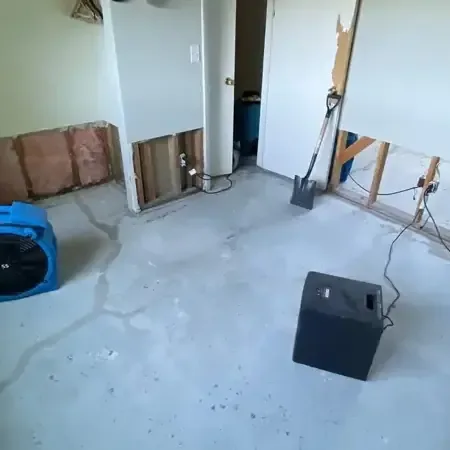
Twelve water services for local homes
Each service covers one kind of water problem, from a flooded finished basement to a stained ceiling, so equipment and steps match the actual loss.
 01
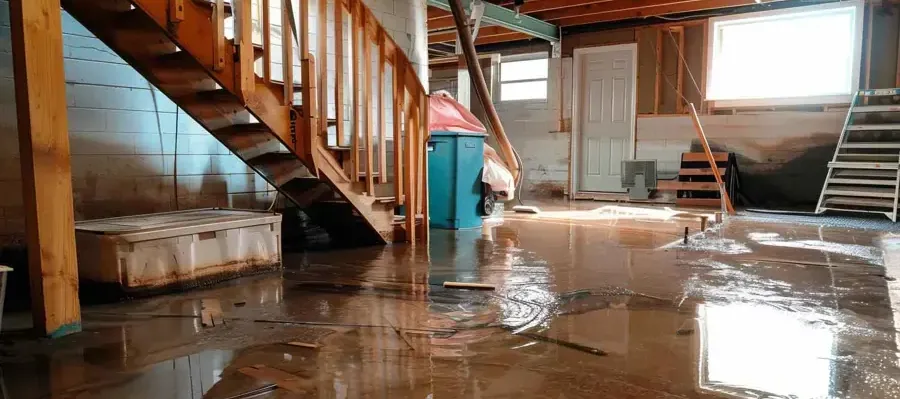
01Water Extraction and Removal
Portable and truck-mounted pumps lift standing water from floors, carpet and pad before it reaches the framing.
 02
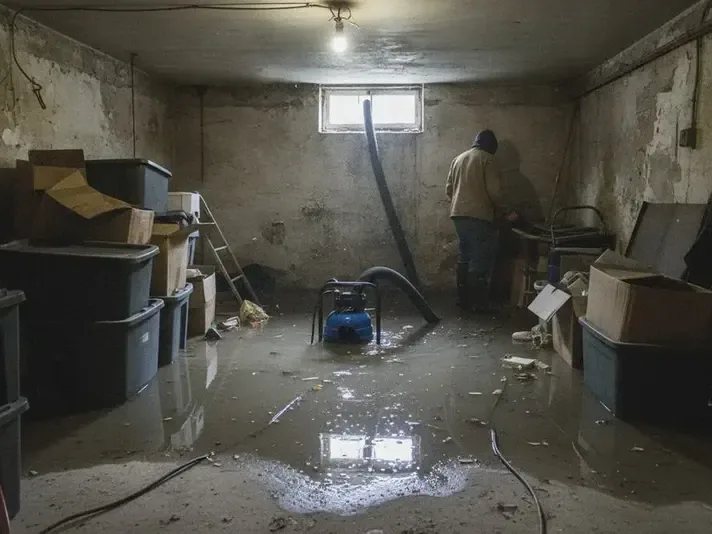
02Basement Flooding Cleanup
When rain or a failed pump floods a lower level, the crew clears it out and dries slab and walls.
 03
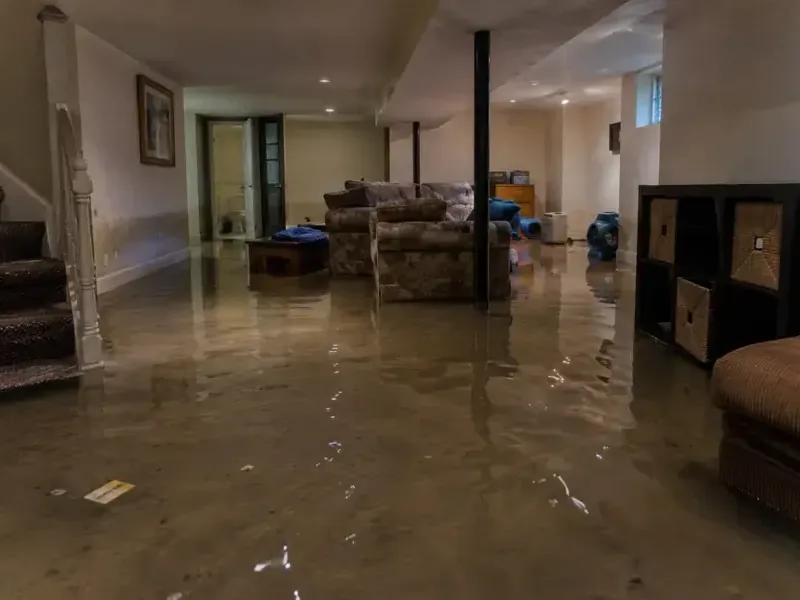
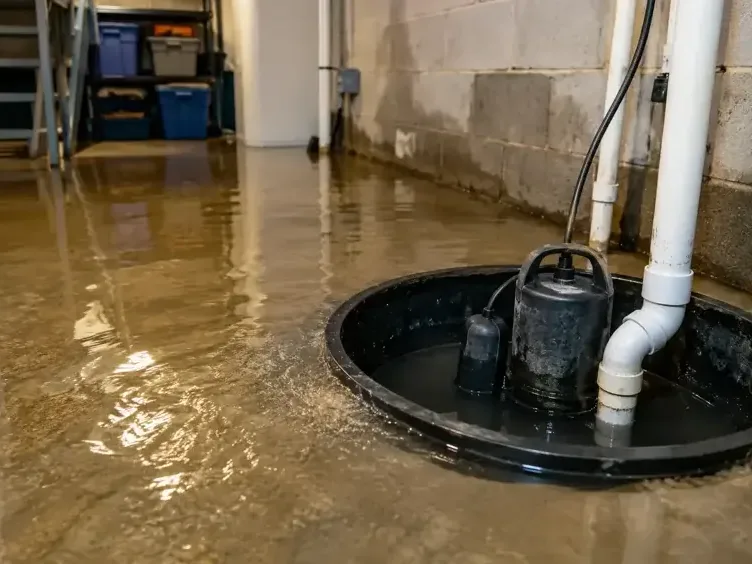
03Sump Pump Failure Cleanup
When a pump stalls in heavy rain, water rises past the pit and spreads, and the cleanup dries everything it touched.
 04
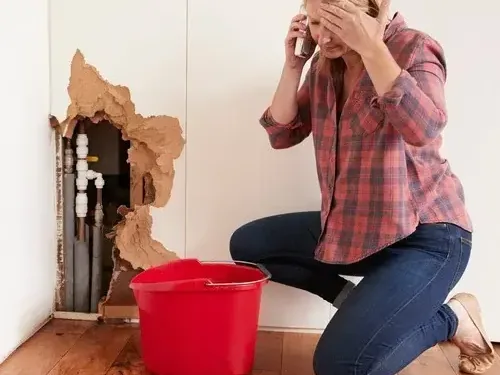
04Burst Pipe Water Damage
A split supply pipe soaks walls and floors fast; the shut-off, extraction and drying steps follow in order.
 05
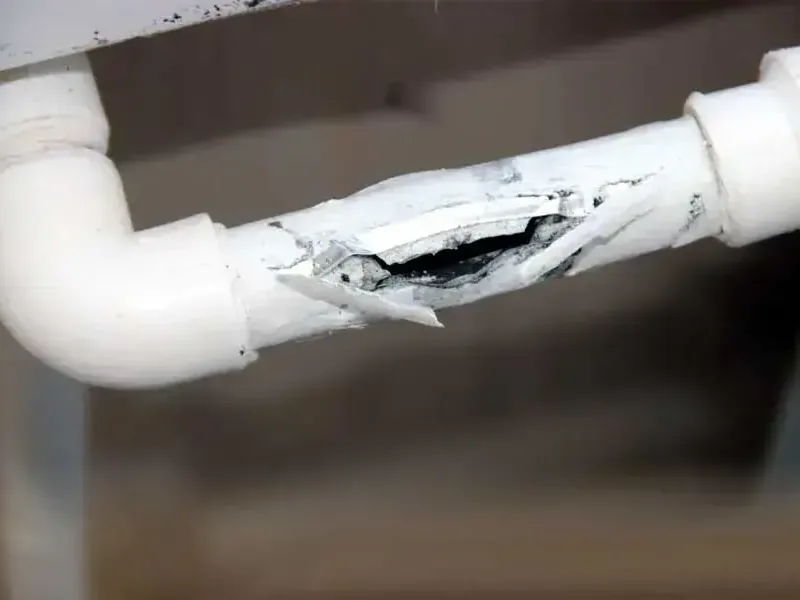
05Frozen Pipe Water Damage
A hard freeze can split a pipe in an exterior wall or garage, and the real damage appears at the thaw.
 06
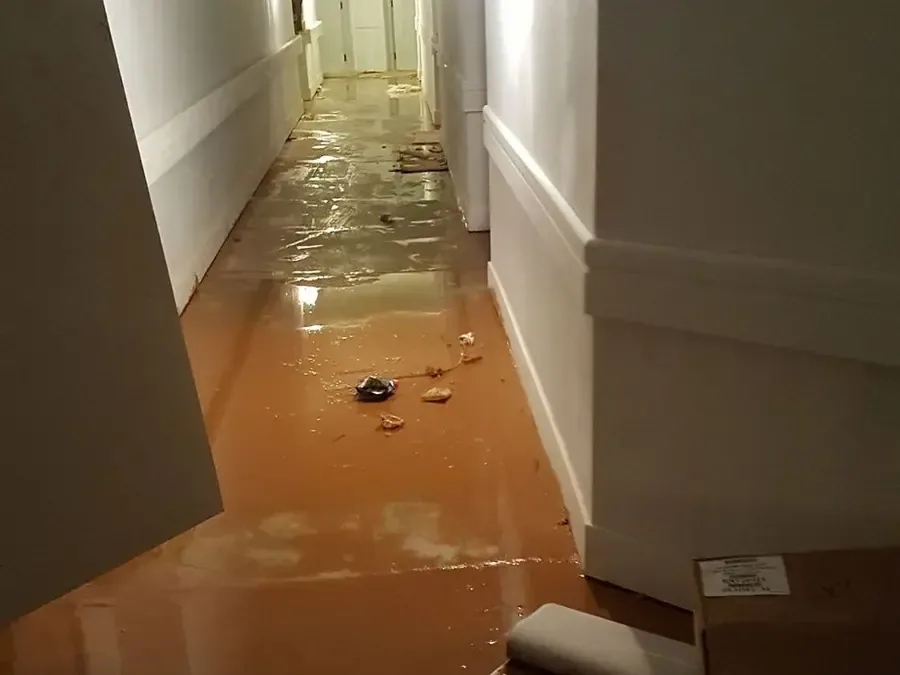
06Storm and Flash Flood Cleanup
River, creek and storm runoff carry silt into homes; flood cleanup removes the mud and dries what it soaked.
 07
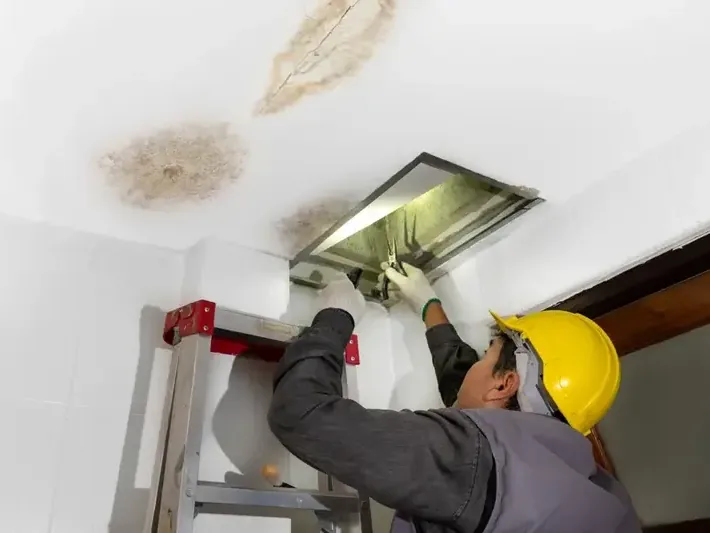
07Roof Leak Water Damage
Rain that finds a roof opening soaks the attic and ceiling, so drying starts at the top and works down.
 08
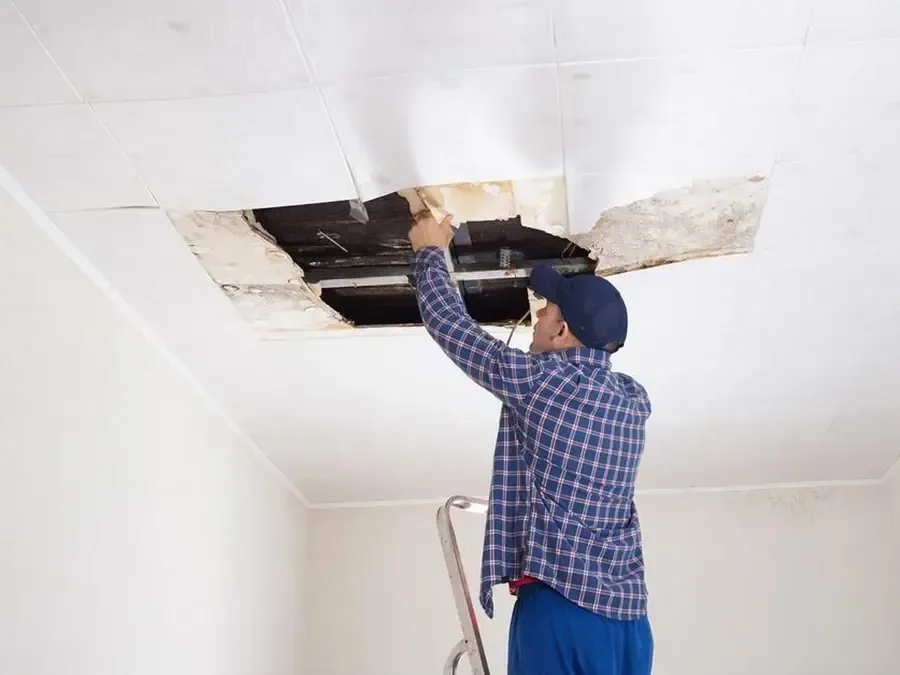
08Ceiling Leak Water Damage
A stained or sagging ceiling means water above it, so the source is traced before wet drywall is opened and dried.
 09
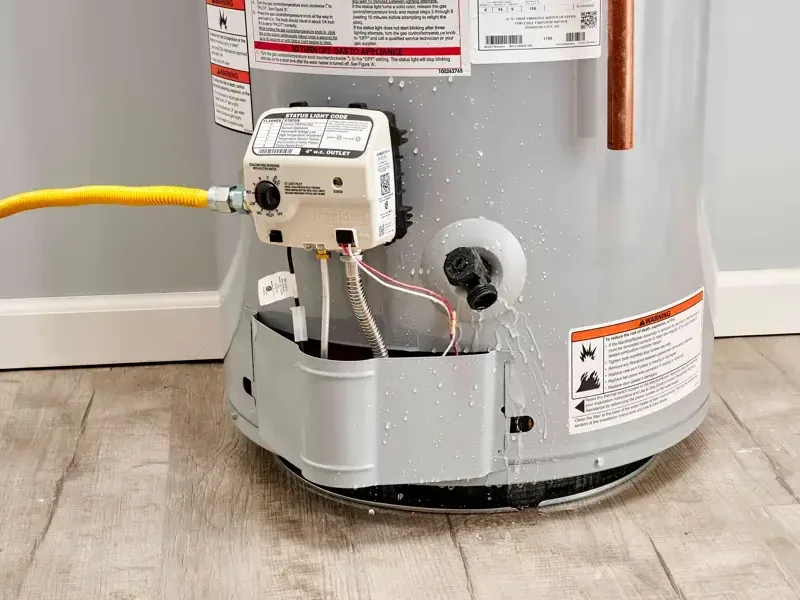
09Water Heater Leak Cleanup
A leaking tank is stopped at the supply valve, then the floor, walls and anything stored nearby are dried.
 10
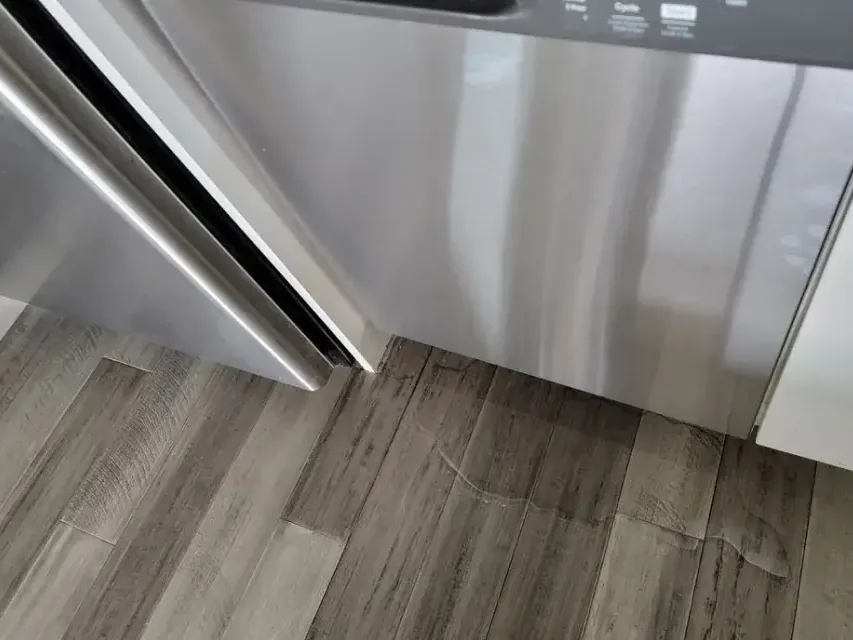
10Appliance Leak Water Damage
Washer, dishwasher and refrigerator leaks creep under flooring and cabinets, so moisture is mapped before anything is replaced.
 11
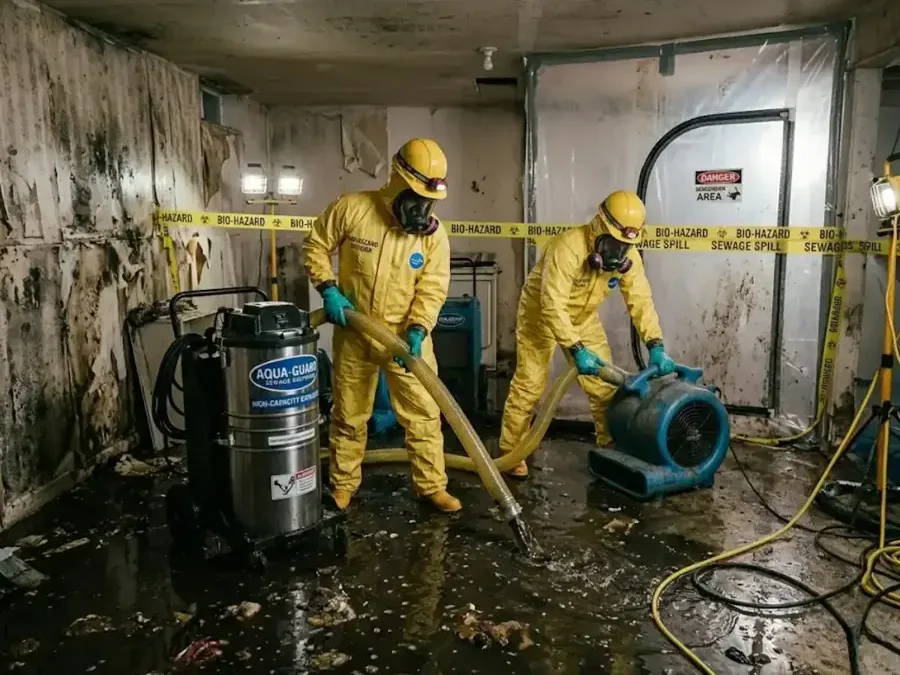
11Sewage Backup Cleanup
Backed-up sewage is contaminated water, so the crew uses protective gear, removes what it touched and sanitizes the area.
 12
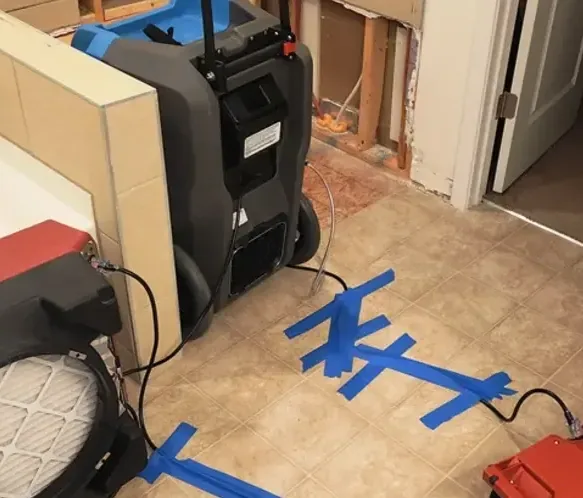
12Structural Drying and Dehumidification
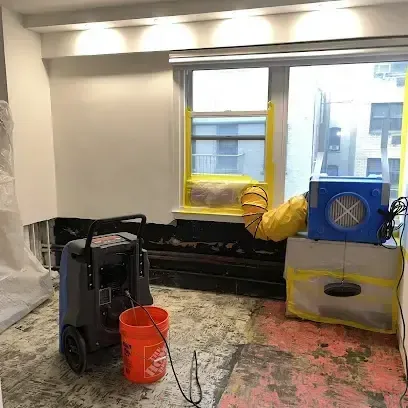
Air movers and dehumidifiers pull moisture out of framing, subfloor and drywall until readings return to normal.
What to do right after water shows up in the house
Stop the water
Close the main shut-off valve, usually in a basement or garage or outside near an outdoor faucet, so the flow stops before anything else is done.
Check the meter
Fulton County Water Services says a leak indicator that keeps moving after the main valve is closed points to a leak outside, between the meter and the house.
Keep clear
Stay out of standing water near outlets, cords or appliances, and have power shut off at the panel by someone trained before wading in.
Photograph the damage
Take wide and close photos of wet walls, floors and belongings before anything is moved, since claim adjusters work from what was recorded.
Call for extraction
Give the street, the wet room and the water source so the crew can bring the right pumps and drying gear.
Measured drying, written down at every visit
The drying team treats a wet house as a system: it finds the water first, sets equipment to match, then keeps written readings until framing, subfloor and drywall reach their dry targets.
- 1
Find the water
Moisture meters and thermal imaging trace wet areas behind walls and under floors, so the full extent is known before anything is cut or moved.
- 2
Remove
Pumps and wet vacuums take standing water out, and soaked pad or damaged drywall is removed so it cannot hold moisture against framing.
- 3
Dry and dehumidify
Air movers push dry air across surfaces while dehumidifiers pull the moisture out of the air, with placement adjusted at each visit.
- 4
Verify and release
Equipment stays until readings in the framing and subfloor match unaffected areas, and the logged numbers go into the claim file.
The kind of water decides the cleanup
Clean water
Water from a split supply pipe or a failed tank starts out clean. Fast extraction and drying usually save the drywall and flooring.
Burst pipe cleanup ›Gray water
Overflow from a washer, a dishwasher or a drain carries soap and light contamination, so porous materials usually come out instead of drying in place.
Appliance leak cleanup ›Black water
Sewage, creek flooding and standing water that sat for days carry bacteria, so protective gear, removal of soaked porous materials and sanitizing come first.
Sewage cleanup ›What does a water damage cleanup cost here?
Water damage jobs here usually run from $1,200 to $30,000. The final number depends on how many rooms are wet, what the water carried in, how long it sat and which materials soaked it up before drying began.
Records an adjuster looks for
A typical homeowners policy does not cover flood damage, so the cause of the water matters. Sudden pipe or appliance failures are handled differently from rising creek or river water.
- Wide and close photos of every wet surface before anything is moved
- The date, time and source of the water
- A room by room moisture log
- An itemized list of damaged belongings with rough values
- Receipts for emergency repairs and equipment
What you can do yourself
Fulton County offers bill adjustments for non-routine leaks, and its leak adjustment request form asks for a repair statement, so keep the repair invoice and the dates of the work.
Open windows, lift furniture off wet carpet and move valuables to a dry room, then leave the drying, demolition and sanitizing to the crew.
Ranges are rough figures and shift with the size of the loss. A written scope after the first moisture readings gives a clearer figure than any phone guess.
Where the drying crew works across Johns Creek
Neighborhoods and corridors
Nearby cities
Wet floors or a dripping ceiling on any Johns Creek street?
The response team covers all five ZIP codes, 30005, 30022, 30024, 30076 and 30097, shared with Alpharetta, Roswell and Duluth.
Outages and billing go to Fulton County Public Works, which runs county water and sewer service. Water inside the house is for the restoration team, so name the room and the source.
Browse all water damage services ›
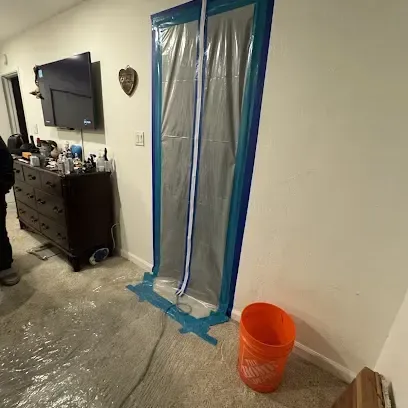
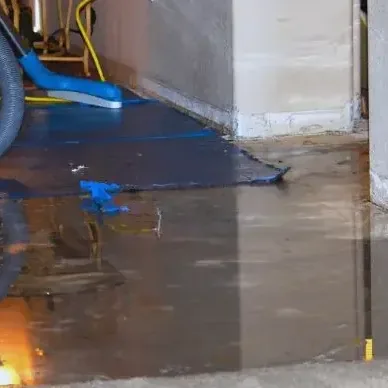
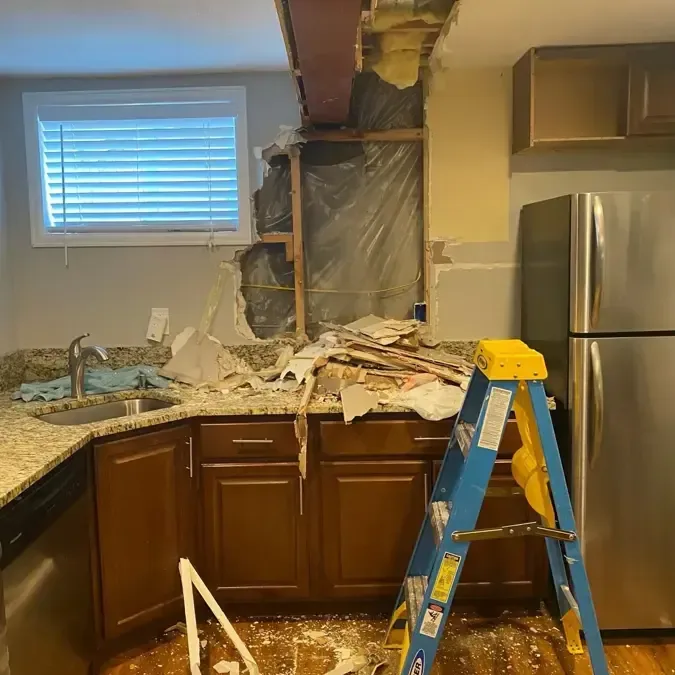
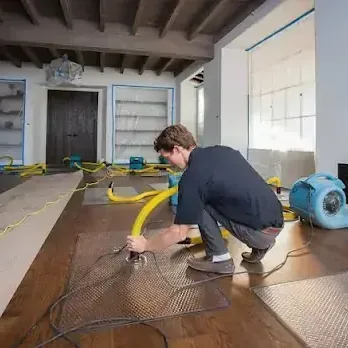
☎ (888) 532-4616Call now and describe the waterWhat a typical dry-out looks like on the job
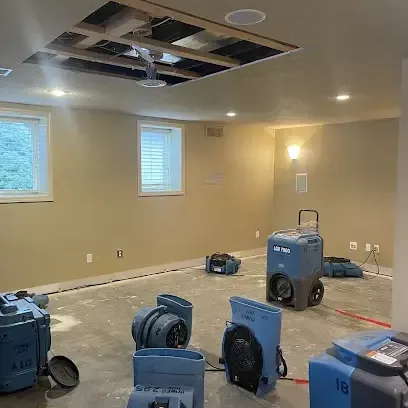
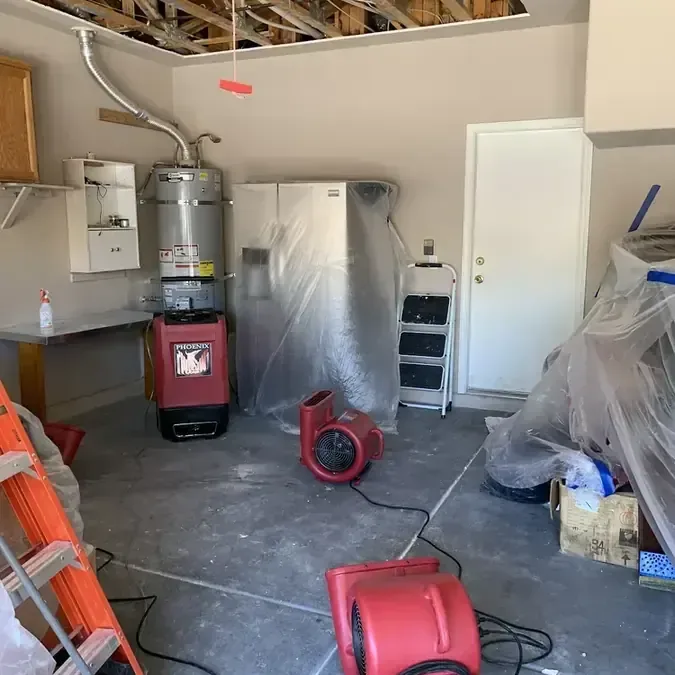
A drying plan built around the house itself
Each house dries differently, so the response team studies the layout, the flooring and the water source first, then sets equipment where moisture readings say it belongs.
Full-scope work
Extraction, demolition, drying and sanitizing run under one crew, so a job does not stall while separate trades wait for each other.
Written moisture logs
Every visit records readings in walls, floors and framing, which gives the adjuster a clear trail from wet to dry.
Safe handling
Contaminated water gets protective gear, sealed containment and careful disposal, so bacteria stay out of the clean parts of the home.
Claim-ready records
Dated photos, moisture numbers and equipment logs are kept together, so the insurance paperwork matches what actually happened in the house.
Common questions about water damage
How soon can mold start after water damage?
Mold can begin to grow in a day or two on damp drywall and wood, which is why extraction and drying come before everything else, even while the insurance claim is still being opened.
Will the adjuster see my moisture readings?
The logged readings, dated photos and equipment records can all be handed over for the claim file. They show what was wet, how it dried and when the structure reached normal levels.
How long does structural drying usually take?
Most jobs need several days of equipment time, longer for dense subfloors, framing or a flooded finished basement. The machines stay until readings match dry reference points, not until a set date.
Can wet carpet and drywall be saved?
Clean water caught early often lets carpet, pad and drywall dry in place. Water that sat for days, or anything contaminated, usually means the soaked porous layers are removed and replaced.
Does a 100-year flood only happen once a century?
No. A 100-year flood has a one percent chance of being equaled or exceeded in any year, and it can happen more than once in a short period.
Does repairing flood damage need a permit?
Altering a property in the floodplain requires a local permit, and the city asks owners to contact its Community Development Department first. Ask the department about any rebuilding that goes beyond drying.
Why is sewage handled so differently from a pipe leak?
Sewage carries bacteria that soak into porous materials, so the crew contains the area, removes soaked drywall, pad and insulation, and sanitizes surfaces rather than only drying them.
Should belongings be moved out before the crew starts?
Lifting small items and furniture off wet floors helps. Heavy lifting, wet carpet and anything near contaminated water are better left to the crew, who also record what was moved and where.
How is a leak in an attached townhome different?
Water can travel through shared walls and floors or drop from a unit above, so tracing the source comes before drying, and the work often reaches into more than one space.
What changes when a basement is finished?
Finished basements trap water behind carpet, baseboards and drywall, so those layers are lifted or opened while dehumidifiers dry the slab and framing underneath. Readings continue until the last hidden material is dry.
Wet floors, a stained ceiling or a flooded basement need a fast response
Call now, any hour, and describe the water. The team plans extraction and drying around what it finds.
(888) 532-4616Reach the drying crew now