Water Damage Restoration Decatur, GA
When a pipe splits, a storm pushes water indoors or a drain backs up, the restoration team extracts the standing water, opens the wet spots and dries everything with measured equipment.
☎ (888) 532-4616Call a Decatur water crewWet carpet, soaked drywall and standing water all get the same measured, step by step drying plan.
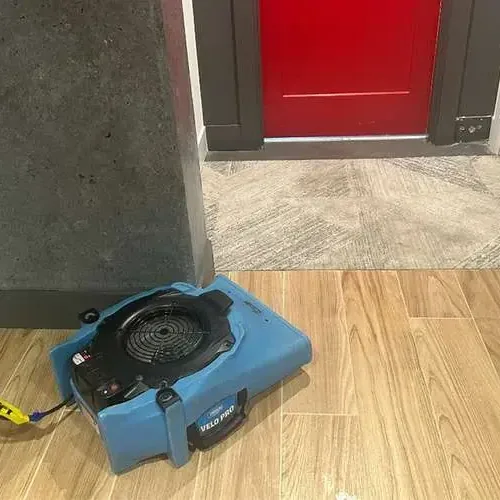
What water does to local homes
Rain, a failing main or a split pipe can each put water where it should not be. These are the local events and risks that shape how the work gets planned.
Week-long heavy rain
A wet week in December 2015 brought street floods, especially on Christmas Eve, and ditches that overflowed. Heavy rain tests every drain and low spot around a home.
Crawl space water
Reports of crawl space flooding came in during the December 2015 rains. Water under a floor is easy to miss, so moisture readings matter after any heavy rain.
Water main breaks
A large main break on Midway Road in December 2025 washed out part of the road, and the DeKalb County Department of Watershed Management handled the repair.
Runoff and debris
Silt fences blew out near construction sites during the December 2015 rains, a reminder that storm water carries mud and debris indoors when it gets in.
Historic district homes
Craftsman bungalows, Victorian and Tudor homes and townhouses fill the historic districts, and a hidden leak in any of them can run behind trim and floors before it shows.
December 2015
8.55 inches of rain fell from December 22 into the following week, bringing street floods, overflowing ditches and crawl space flooding, though no one was hurt.
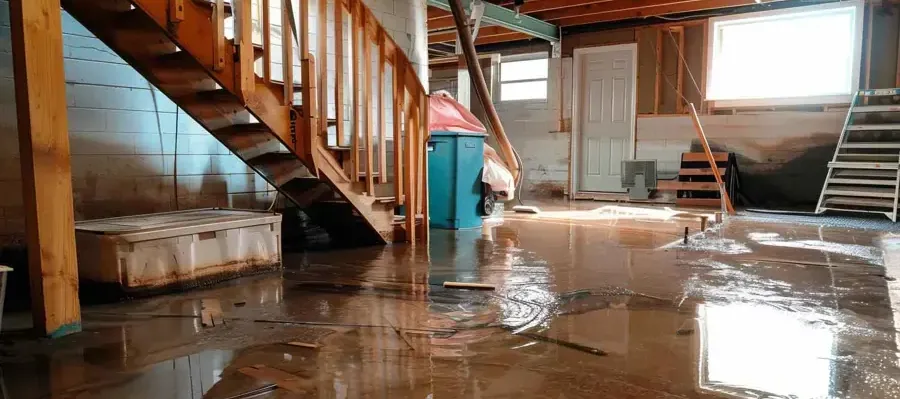
Water problems the crew handles
Each job starts with extraction and moves through opening, drying and measuring, but the plan changes with the source of the water. These are the problems local homes call about.
 01
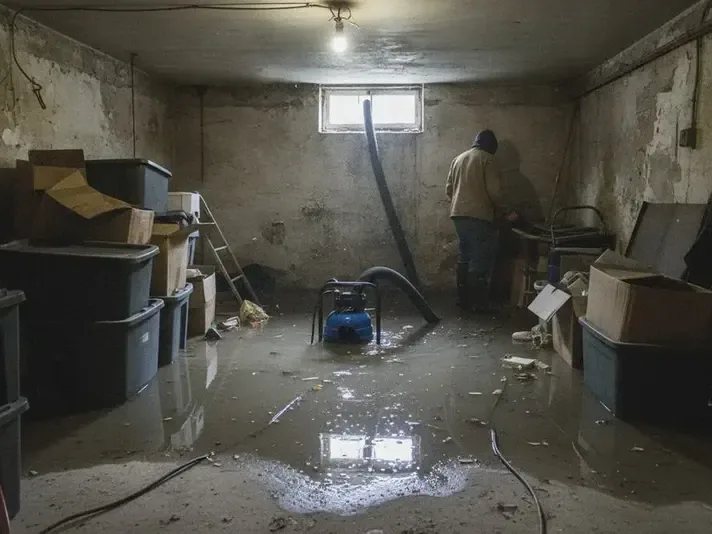
01Water Extraction and Removal
Pumps and wands pull standing water from floors and carpet first, so the moisture stops soaking into framing and finishes.
 02
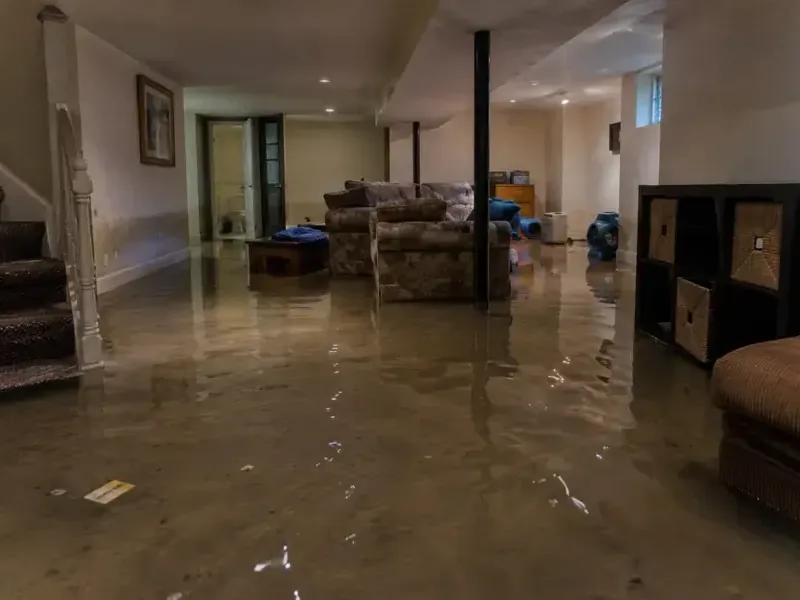
02Basement Flooding Cleanup
A flooded lower level gets pumped out, wet contents moved and the walls and floor metered before drying begins.
 03
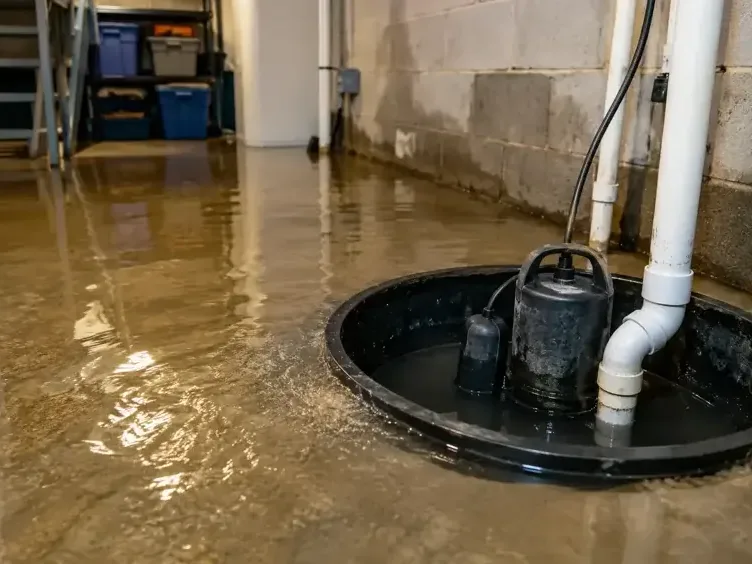
03Sump Pump Failure Cleanup
When a pump stalls and the pit overflows, the crew clears the water and dries the floor and wall bases.
 04
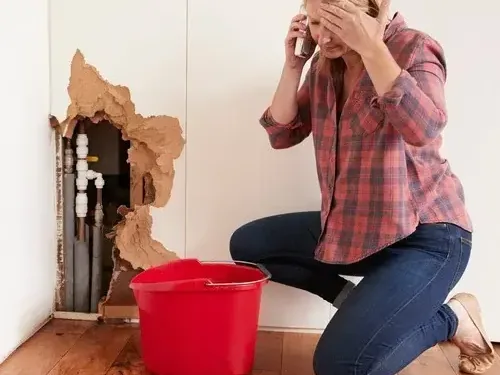
04Burst Pipe Water Damage
A split supply pipe sends water into walls and ceilings quickly, so the wet cavity is opened and dried.
 05
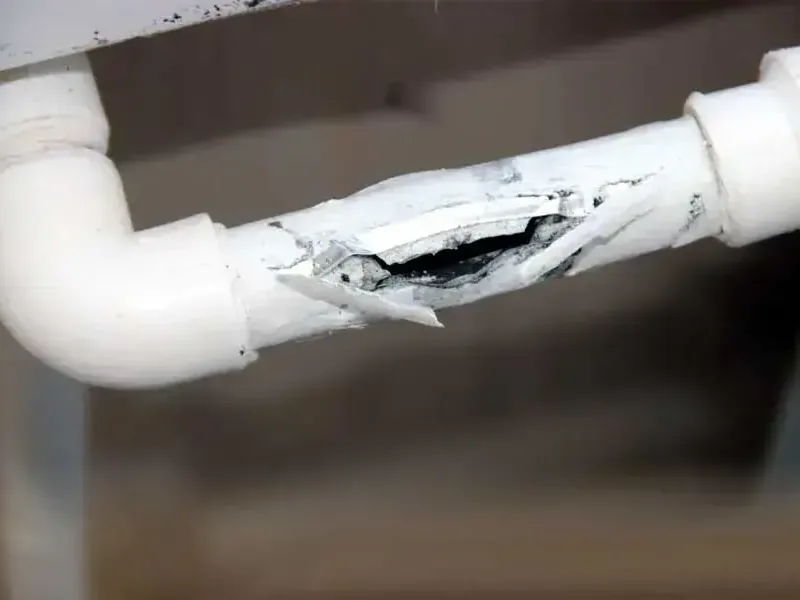
05Frozen Pipe Water Damage
Once ice thaws, a cracked pipe floods the wall around it, and the crew extracts and dries what it soaked.
 06
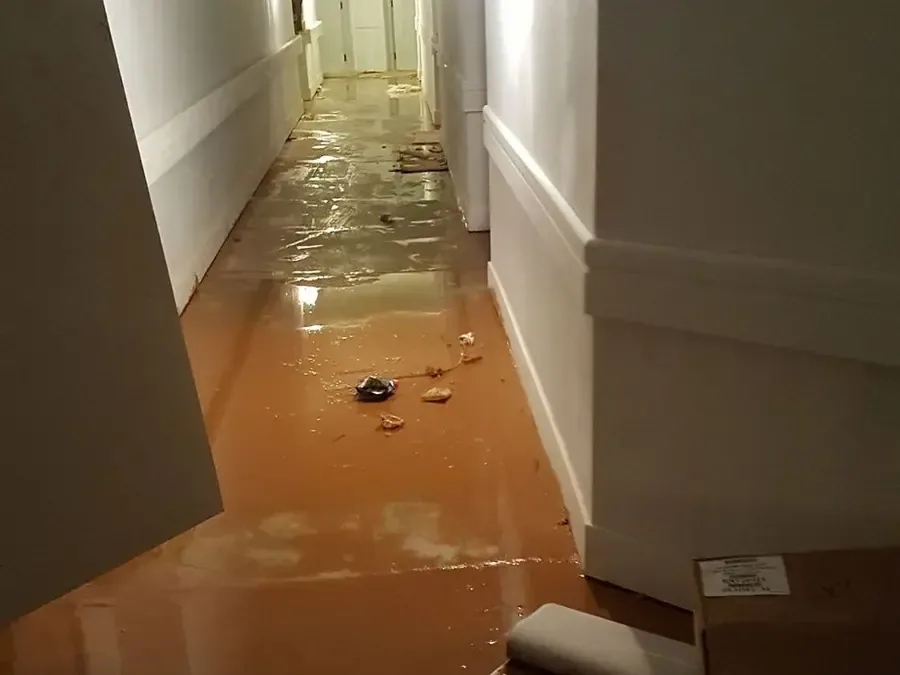
06Storm and Flash Flood Cleanup
Water that enters in a storm is treated as contaminated, so it is pumped out, cleaned and dried with care.
 07
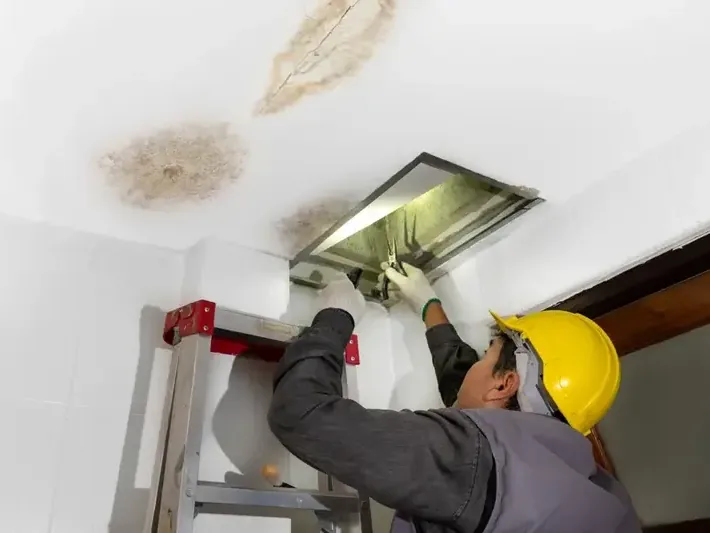
07Roof Leak Water Damage
Water that enters through the roof is traced back to the opening, and soaked insulation and ceilings are dried.
 08
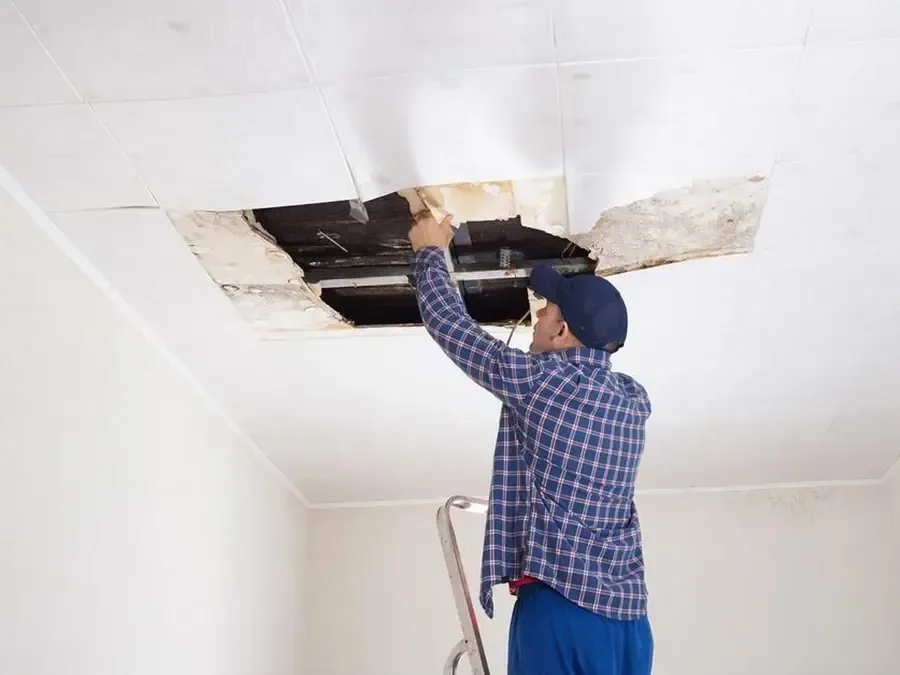
08Ceiling Leak Water Damage
A stained or sagging ceiling is opened where water collected, and the wet drywall is dried.
 09
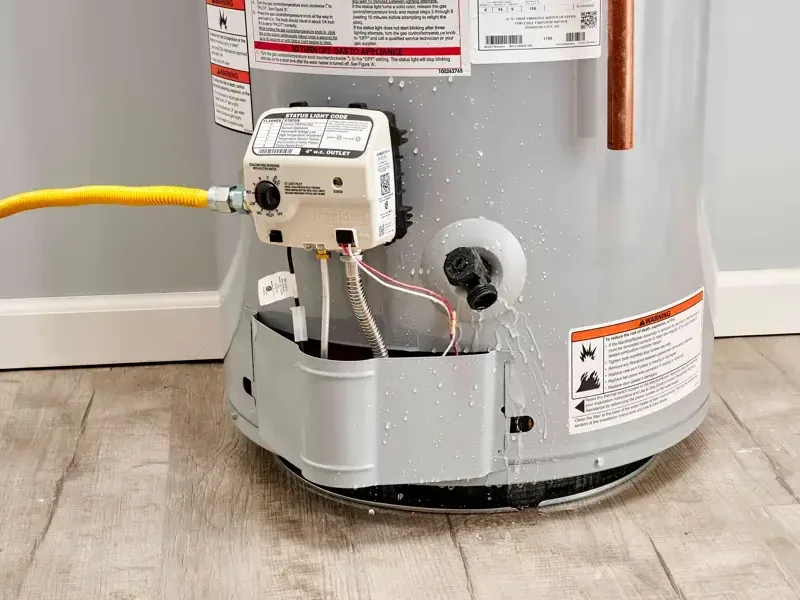
09Water Heater Leak Cleanup
A failed tank can empty onto the floor, so the water is extracted before it reaches framing and finishes.
 10
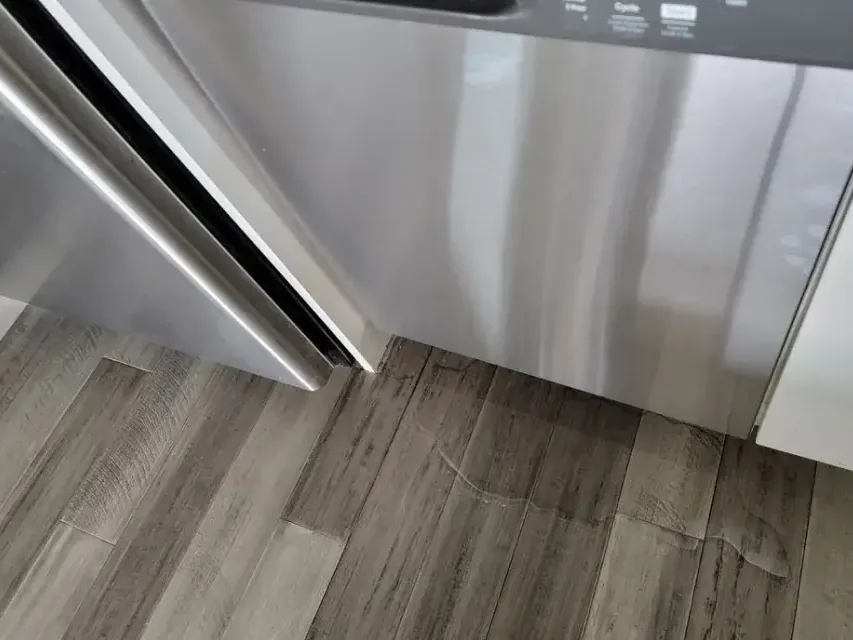
10Appliance Leak Water Damage
Washer, dishwasher and ice maker leaks soak floors and cabinets, which are extracted and dried before the damage spreads.
 11
11Sewage Backup Cleanup
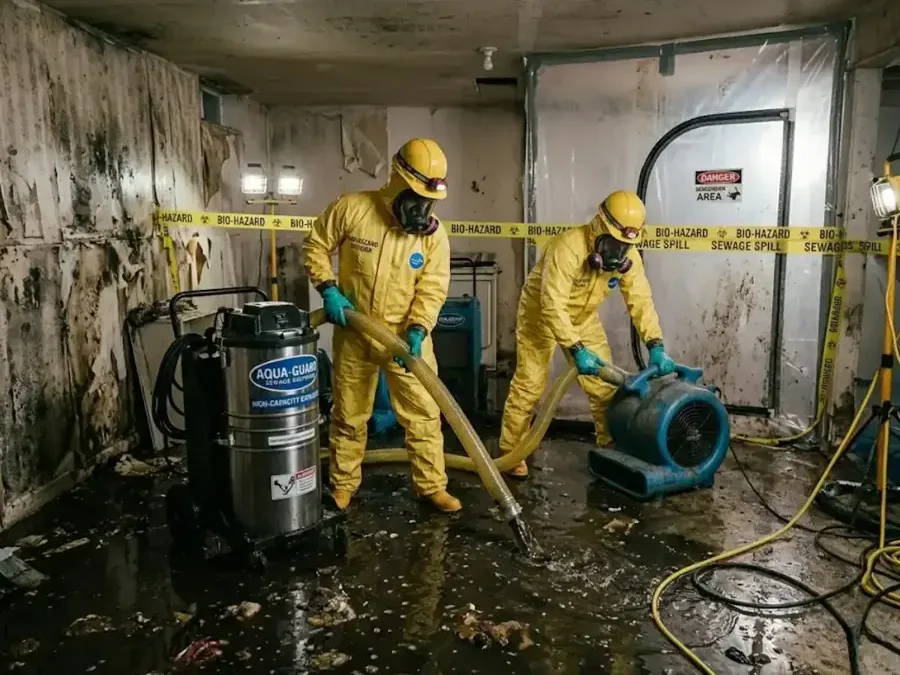
Backed-up sewage is Category 3 water, so it is extracted, the area is cleaned and sanitized, and the structure is dried.
 12
12Structural Drying and Dehumidification
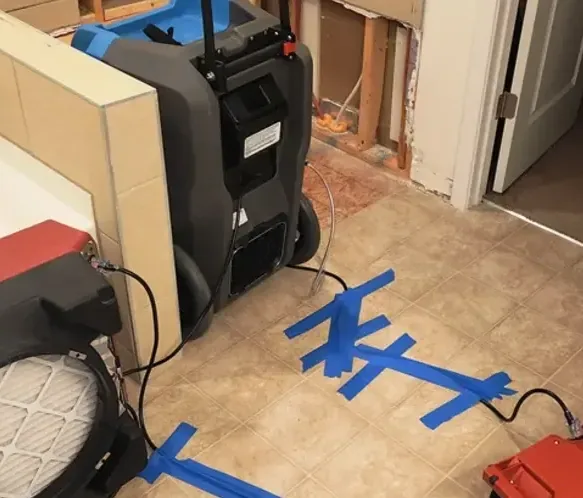
Wet framing, subfloors and walls are dried with air movers and dehumidifiers until meter readings confirm they are dry.
Smart moves before the drying crew starts
Stop the source
Shut the main valve or the appliance supply if water is still running. A rain or sewage source means staying out of the wet area.
Cut power to wet areas
Switch off breakers that feed soaked rooms, and never step into standing water near outlets, cords or a panel.
Lift what you can
Move small furniture, rugs and electronics to a dry spot, and set foil or wood blocks under heavy pieces to keep them off wet floors.
Photograph the damage
Take photos and short videos of the water, the wet walls and the damaged belongings before anything gets moved or tossed.
Call the drying crew
Describe the source, the rooms affected and how long the water has sat so the extraction crew can bring the right pumps and equipment.
Drying measured by meters, not guesses
Every job follows a written drying plan. Moisture readings are taken at the start and again each visit, and equipment stays running until the framing and floors read dry. Nothing is pulled out because a surface looks dry.
- 1
Inspect and map
Meters and a thermal camera show how far the water traveled, including spots behind walls and under floors that look dry.
- 2
Extract
Pumps and wands remove standing water, and wet carpet pad and soaked materials that cannot be saved are cut out and bagged.
- 3
Dry in place
Air movers and dehumidifiers are placed to match the room, then adjusted at each visit as the readings change.
- 4
Verify and release
Final readings are compared with dry reference points, and the equipment is removed only when the structure matches them.
Clean, gray and contaminated water need different handling
Clean water
A split supply pipe sends clean water into walls and ceilings. It is the easiest category to dry, but it turns worse the longer it sits in materials.
Burst pipe water damage ›Gray water
Washers, dishwashers and ice makers release water that carries soap and food residue. It needs prompt extraction and thorough cleaning of floors and cabinet bases before drying.
Appliance leak cleanup ›Contaminated water
A sewage backup or storm water that enters a home is Category 3. It is extracted, the area is cleaned and sanitized, and porous materials are removed.
Sewage backup cleanup ›How much does water damage cleanup cost?
Most Decatur jobs land between $1,200 and $30,000, depending on how much water there is, how many rooms are wet and whether the water is clean, gray or contaminated. A meter reading and a walkthrough set the real number.
Documenting water damage for a claim
A claim goes more smoothly when the damage is recorded clearly from the start. The drying team keeps notes and photos that an adjuster can follow.
- Photos and video of the water and the damage before cleanup begins
- Moisture readings and a map of the wet areas
- A list of damaged and removed materials
- Daily drying logs with equipment counts
- Receipts for emergency repairs and supplies
What owners can record
Note when the water started, where it came from and what was wet at the time, even if the source is still unclear.
Keep damaged items until the adjuster has seen them or approved their removal, and ask the crew for copies of the logs and photos.
These ranges cover typical jobs in the area. The final price depends on the square footage, the type of water and the materials involved, and the crew explains it before any work begins.
Where the crew works in Decatur
Neighborhoods and roads
Nearby towns
Reaching a water damage crew from anywhere in the city
Crews reach homes and townhouses across the city, from the historic districts near downtown to Oakhurst, Clairemont and the neighborhoods in between.
Several ZIP codes outside the city limits also carry a Decatur mailing address, so the crew confirms the exact location when a call comes in.
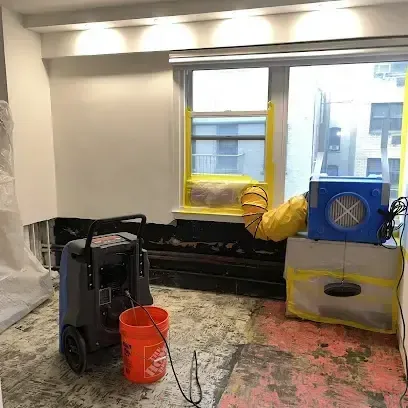
☎ (888) 532-4616Call to confirm an addressWhat a water damage dry-out looks like
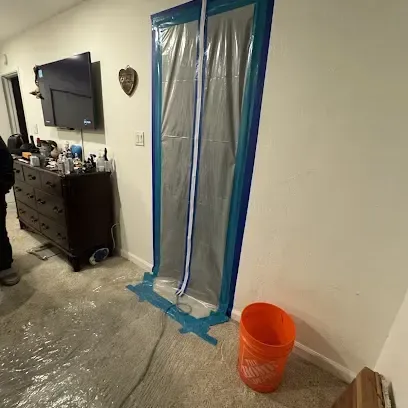
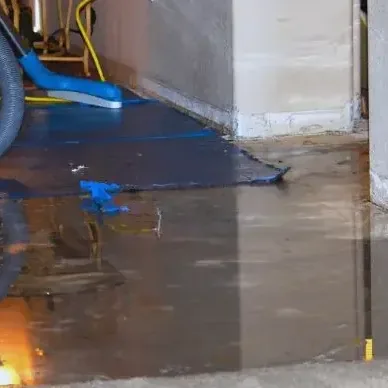
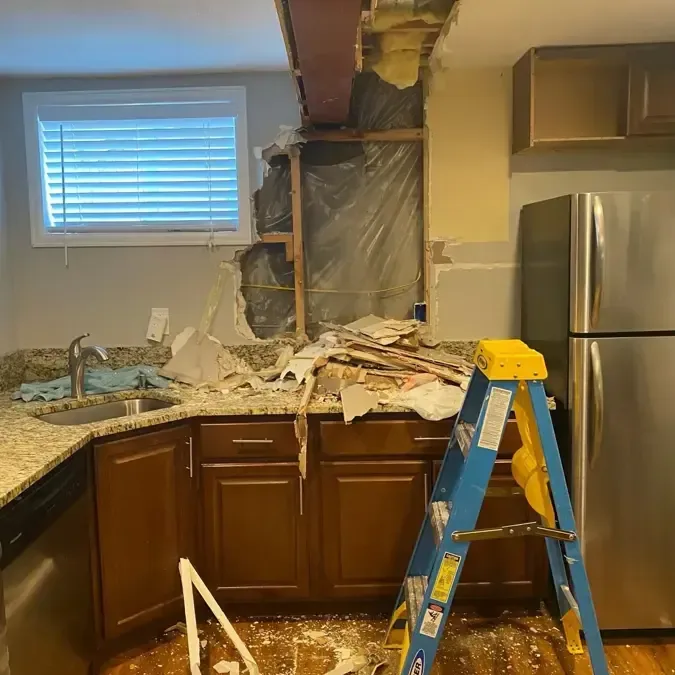
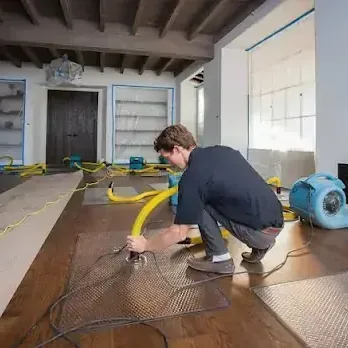
Careful work in homes of every age
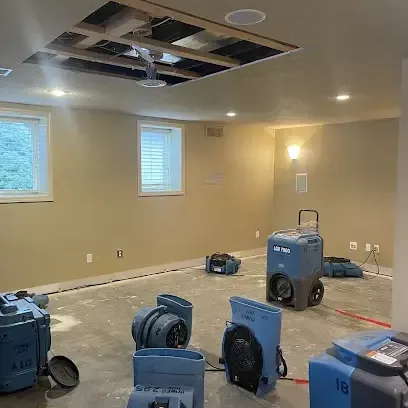
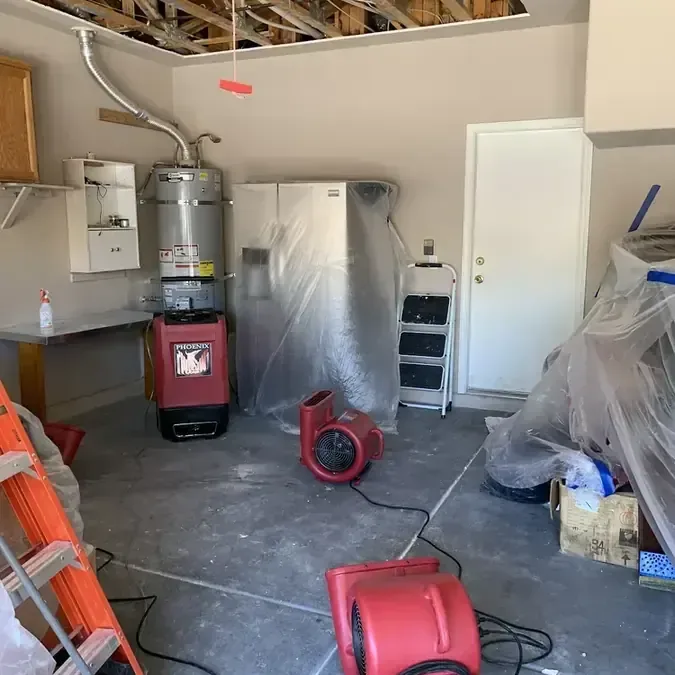
From Craftsman bungalows to townhouses near downtown, every structure dries differently, so the crew adjusts the equipment and the method to the materials in front of it, room by room.
Measured results
Readings are logged on every visit, so the dry goal is a number on a meter and not a guess about how a wall feels.
Water and sewage only
The crew works on water losses and sewage backups, so the equipment, tools and daily routine all point at one kind of problem.
Careful with finishes
Floors, trim and cabinets are protected or lifted with care, and only what cannot dry in place is cut out.
Straight answers
The scope, the equipment and the expected drying days are explained in plain terms before work starts.
Common water damage questions
How soon should water damage be dried?
Right away is best. Wet drywall, subfloors and framing begin to break down in a day or two, and mold can take hold if moisture lingers in hidden spots, which is why extraction comes first.
What does the drying crew do first?
The first move is confirming the source is stopped, then extracting standing water with pumps and wands. Moisture readings and a thermal scan follow, so the drying plan matches how far the water traveled.
What should be done after heavy rain gets inside?
Stay out of the wet area, switch off power to it and call a restoration crew. Storm water is treated as contaminated, so it is extracted, cleaned and dried instead of simply mopped up, as in storm and flash flood cleanup.
Is a water main break the same as a burst pipe?
No. A street main failure, like the Midway Road break in December 2025, is repaired by the DeKalb County Department of Watershed Management. A pipe that splits inside a home, as in burst pipe water damage, is repaired by a plumber and dried by the restoration crew.
Do townhouses and historic homes dry differently?
They can. Trim, floor layers and wall cavities differ from one home to the next, so the crew checks each structure with a meter and chooses equipment to fit, whether it is a bungalow or a townhouse.
What happens when a sewage backup is involved?
Sewage is Category 3 water, the focus of sewage backup cleanup. The area is closed off, the water is extracted, porous materials that soaked it up are removed and surfaces are cleaned and sanitized before any drying equipment is set.
How does the crew know drying is finished?
The crew compares meter readings in wet materials with readings from dry reference points. Equipment comes out only after the walls, floors and framing match those numbers, not when they merely feel dry.
Can furniture and belongings be saved?
Many items can. Hard goods and solid wood are cleaned and dried, while soaked padding, particleboard and porous items touched by sewage are usually discarded. Photos are taken first so the claim has a record.
Does the type of water change the price?
Yes. Clean water from a supply pipe is the simplest to dry, while gray and contaminated water add cleaning, removal and disposal steps. Size and materials matter too, which is why a walkthrough comes first.
Does the crew work with insurance adjusters?
The crew documents the loss with photos, moisture readings and drying logs that an adjuster can go through. Coverage decisions stay between the owner and the carrier, and the paperwork is organized to support the claim.
Water keeps spreading while it sits. Call the extraction crew and start drying now.
Standing water, wet walls and sewage backups get one response: stop the spread, extract, then dry to measured goals.
(888) 532-4616Call for water help now