Storm and Flash Flood Cleanup in Decatur, GA
Rain that gets inside brings mud, debris and contaminated water. The crew extracts it, removes what cannot be cleaned, sanitizes surfaces and dries the whole structure with metered equipment afterward.
☎ (888) 532-4616Call about flood water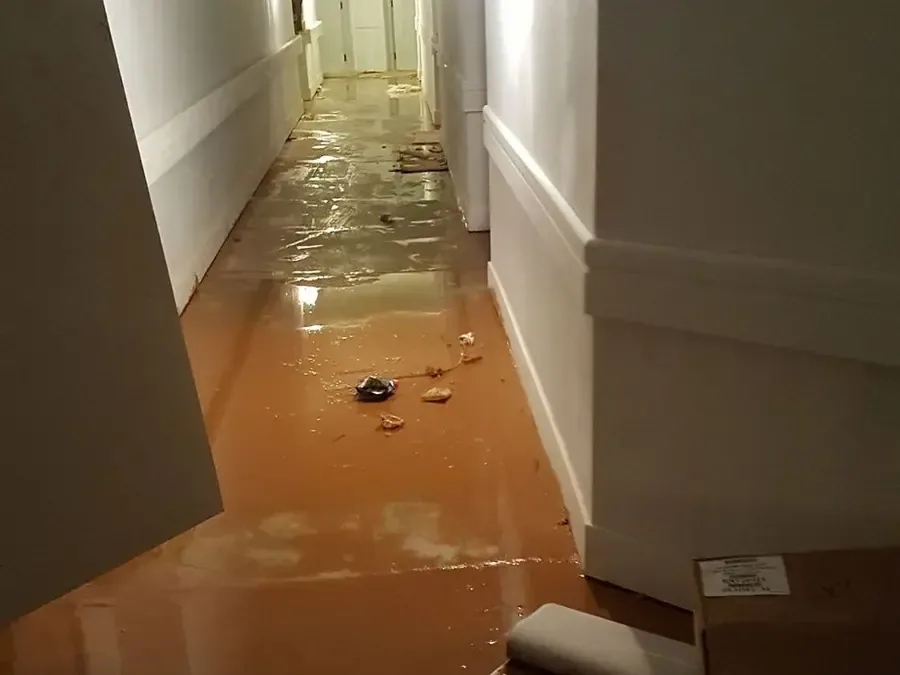
In December 2015, 8.55 inches of rain fell over a week and Decatur saw street floods, especially on Christmas Eve, along with overflowing ditches and crawl space flooding. Storm water that reaches a home is a different job from a pipe leak, because it brings soil and contamination in with it.
Why storm water is handled with care
- Mud and debris carry bacteria into rooms
- Porous materials absorb contaminated water
- Carpet, pad and lower drywall are usually removed
- Hard surfaces are cleaned and sanitized
From debris to dry
The crew clears mud and debris, extracts the water and removes materials that soaked it up. Surfaces that can be saved are cleaned and sanitized, then air movers and dehumidifiers take over the drying until the readings match dry reference points. Flooded lower levels follow this same order, as in basement flooding cleanup.
When sewage is involved
Heavy rain can also overload drains, and any water that comes up from a drain is handled under sewage backup cleanup with added removal and sanitizing. The crew treats unknown water as contaminated until proven otherwise.
How storm and flash flood cleanup is handled, start to dry
Safety check
Power and water hazards are assessed first.
Debris out
Mud and debris are cleared from the floor.
Extraction
Water is pumped out and wet materials removed.
Clean and dry
Sanitizing is followed by measured drying.
First steps for storm and flash flood cleanup
Stay out and stay safe
Power is cut and floodwater is treated as contaminated before anyone enters.
Clear debris
Mud and debris are removed so extraction can reach the floor.
Extract and remove
Water is pumped out and soaked porous materials are bagged.
Sanitize and dry
Surfaces are cleaned, then equipment dries the structure to meter readings.
What does storm and flash flood cleanup cost in Decatur, GA?
Storm flood cleanup typically runs from about $3,000 for shallow water in one area to $40,000 or more when deep water reaches several rooms. Depth, mud and how much must be removed decide the cost.
What moves the number
Ranges are typical, not a quote: the category of water, the square footage, the material class and how fast drying started move the number most. Run the water damage cost calculator for a closer range.
Storm and flash flood cleanup across Decatur and nearby communities
Storm cleanup covers the whole city, from low spots near ditches and construction areas to the established streets of Oakhurst, Winnona Park, Clairemont and Great Lakes.
The same service nearby: storm and flash flood cleanup in Tucker, Dunwoody, Sandy Springs.
Water damage restoration in Decatur › Every town covered ›Related water damage services in Decatur
Storm and Flash Flood Cleanup questions, answered
Why is storm water treated as contaminated?
Floodwater picks up soil, fertilizer, bacteria and debris along its route, so it is handled as contaminated even if it looks clear. Porous materials that soaked it up are usually removed.
What happened during the December 2015 rain week?
That December week brought localized, short-term flooding. Silt fences blew out near construction sites, one car was damaged by high water and no one was hurt, but any home that took water in still needed extraction and drying.
Is crawl space water part of a flood cleanup?
Yes. Water that collects under a floor can soak framing and insulation out of sight, so the crew checks with a meter and dries what it finds. Crawl space flooding was reported in the December 2015 rain week.
Can flood-damaged furniture be saved?
Solid wood and hard goods can often be cleaned and dried. Upholstery, mattresses and particleboard that touched contaminated water are usually discarded, and photos are taken first for the claim.
How long after a flood should the cleanup start?
Immediately is best. Contaminated water and wet materials get worse by the hour, and damp wood and drywall can grow mold within a day or two if they stay wet.
Flood water that sits on carpet and drywall turns a cleanup into a rebuild.
Share the depth, the rooms involved and whether any water came from a drain, and the extraction crew will arrange pumps, sanitizing supplies and drying equipment.
(888) 532-4616Flood help, any hour