Water Extraction and Removal in Lilburn, GA
Standing water works into carpet, padding and the foot of the walls fast. The extraction crew pumps out the bulk, wands the rest and maps what stayed wet before the drying team sets up.
☎ (888) 532-4616Tell the crew what is wet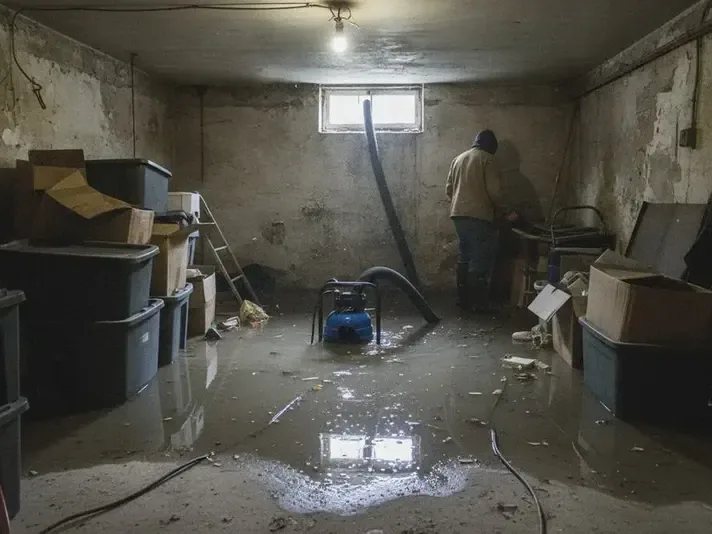
Recent sales data puts the median build year of Hanarry Estates at 1970 and of Annsbury Park at 2025, so water damage restoration in Lilburn meets very different floors, subfloors and finishes. Extraction starts by finding what the water touched and how far it traveled, because the wet area on top is rarely the whole story.
What the pumps clear first
- Standing water across floors and in low corners
- Saturated carpet and padding resting on the subfloor
- Water trapped under laminate, vinyl or engineered planks
- Moisture drawn up the bottom of drywall and trim
Why older and newer homes differ
Lake Lucerne Estates has a recent-sales median build year of 1972 and Cottages at Noble Village 2022. Those are medians, not every house, but the gap explains why one method never fits. Older floor assemblies and newer engineered materials hold water in different places, so the crew probes before deciding what to lift.
After the pump-out
Pulling the water is half the work. Padding, baseboards, cabinet bases and lower drywall keep moisture long after the floor looks clear. The drying team sets air movers and dehumidifiers and logs readings on each visit. Mold can start in 24 to 48 hours, so structural drying follows the extraction crew right away.
How water extraction and removal is handled, start to dry
Map the moisture
Meters and a thermal camera show the spread.
Pump and wand
Truck-mounted units clear the bulk and wands finish the edges.
Lift and cut
Soaked padding and wet lower drywall come out.
Dry and check
Air movers and dehumidifiers run until readings match dry.
First steps for water extraction and removal
Stop more water coming in
Close the shutoff at the leaking pipe, appliance or heater. Leave drain or runoff sources alone.
Keep power off the wet floor
Switch off breakers near the water from a dry spot.
Lift what you can
Move rugs, books and small furniture to dry ground.
Photograph before moving things
Take wide and close photos of the water and the damage.
What does water extraction and removal cost in Lilburn, GA?
Water extraction in Lilburn, GA usually runs from $1,200 to $30,000. The size of the wet area, whether the water was clean, gray or Category 3 and how many levels it reached decide where a job lands.
What moves the number
Ranges are typical, not a quote: the category of water, the square footage, the material class and how fast drying started move the number most. Run the water damage cost calculator for a closer range.
Water extraction and removal across Lilburn and nearby communities
The extraction crew works the whole of ZIP 30047, from Old Town Lilburn and the Lawrenceville Highway corridor out to Hanarry Estates, Lake Lucerne Estates, Nantucket, Rivermist, Rivercliff and Annsbury Park.
The same service nearby: water extraction and removal in Tucker, Johns Creek, Dunwoody.
Water damage restoration in Lilburn › Every town covered ›Related water damage services in Lilburn
Water Extraction and Removal questions, answered
How much water can the crew pull out of a home?
There is no fixed limit. Truck-mounted pumps handle inches of standing water across a whole floor, and hand wands clear carpet, thresholds and corners the main hose cannot reach.
Is extraction enough or does the room still need drying?
Extraction removes the bulk, but wood, drywall and concrete hold moisture inside. Without drying, damp materials can support mold within 24 to 48 hours, so the two steps belong together.
Does the floor type change how water is removed?
Yes. Carpet and padding are wanded and often lifted, hardwood and engineered planks can be dried in place with mats, and tile mostly needs the water gone before grout and subfloor soak it up.
When is the right time to call about water on the floor?
As soon as it appears, any hour. Water spreads into padding and drywall quickly, and the earlier extraction begins, the less material has to be thrown away.
Can the crew work if the water came from a drain or outside?
Yes. Clean supply water is simpler, while runoff or sewage is treated as contaminated, so porous materials are removed and the area is cleaned, not just pumped.
Standing water sinks deeper into the floor with every hour
Wicking into padding, baseboards and drywall starts right away. The extraction crew removes the water first, then the drying team brings moisture readings back to normal.
(888) 532-4616Clear the water out now