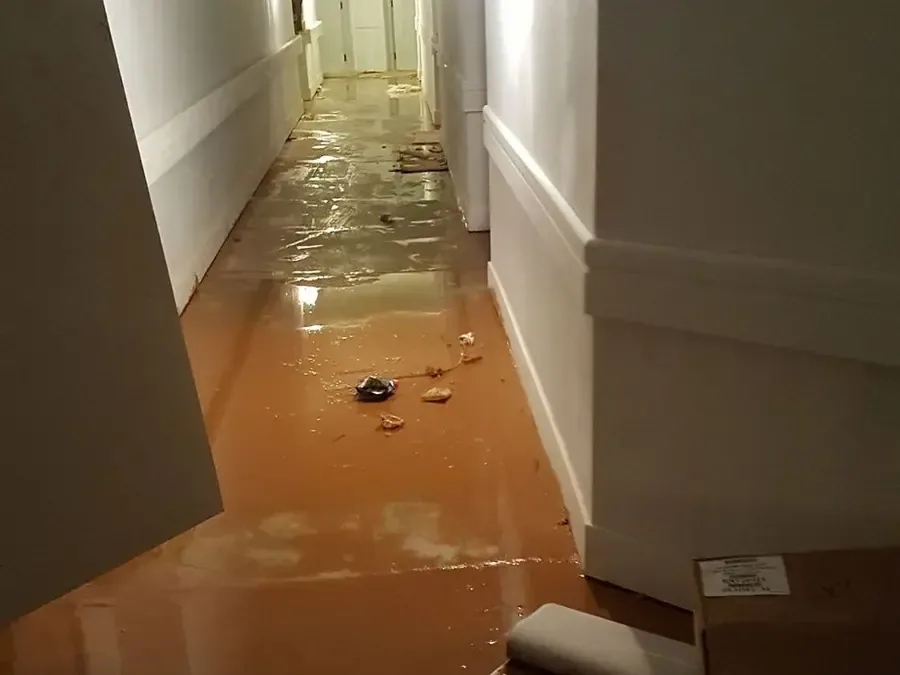
In late December 2015, 8.55 inches of rain fell in Decatur over about a week. The city saw street floods, ditches that overflowed and crawl space flooding, and the same pattern can play out in any long rain.
Key takeaways
- Decatur recorded 8.55 inches of rain from December 22 into the following week, and officials described a lot of localized, short-term flooding.
- Reports included street floods, overflowing ditches, crawl space flooding and silt fence blowouts near construction sites.
- No one was hurt in that rain week, and one car was damaged by high water.
- Storm water that reaches a home is treated as contaminated and dried with measured equipment.
- If a house has a crawl space, check it after a long rain, because water there can soak insulation and subfloor out of sight.
What 8.55 inches did in one rain week
From December 22 into the following week, 8.55 inches of rain fell. The assistant city manager described a lot of localized, short-term flooding.
The flooding was uneven. Some streets and yards took water quickly while other parts of the city saw little, which is typical when a long rain falls on ground that is already wet.
A rain week like that is a reminder that flooding is not only a river event. Ditches, drains and low yards can all fail on their own schedule, and each failure puts water in a different place.
- Street floods were reported, particularly on Christmas Eve.
- Ditches overflowed in several places.
- Crawl space flooding was reported.
- Complaints came in from areas near construction sites after silt fences blew out.
- No one was hurt, and one car was damaged by high water.
From a full ditch to a wet floor
A flooded ditch or street is not the end of the story for a house. Once ditches fill, water starts looking for the next low spot, and that can be a yard, a driveway apron or the edge of a foundation.
Surface water at the foundation
Water that pools against a wall can seep in through floor joints, doorways and any opening near the ground. A long rain makes this more likely because the ground keeps filling.
Doors, garages and low entries
Any opening near ground level can take water when a ditch backs up. A garage door, a basement stair and a patio door all sit low, and a sandbag or a squeegee does not hold back a rising yard for long.
- Garage floors that slope toward the house.
- Basement stairwells that fill like a bowl.
- Patio doors and thresholds near a swale or ditch.
Water that gets under the house
Water in a crawl space is hard to spot because it is hidden. It can sit for days, soaking insulation, joists and the underside of the floor before anyone sees a sign inside.
Crawl spaces after a long rain
Crawl space flooding was reported in December 2015, so it belongs in any plan for a long wet week. Not every house has a crawl space, and the point is to check the ones that do.
A look inside takes only a few minutes with a flashlight, as long as the opening is safe to enter and no electrical gear is sitting in water.
- Standing water or mud on the ground under the floor.
- Insulation that sags, drips or has fallen away from the joists.
- A floor that feels soft, springy or cold above the crawl space.
- A damp, musty smell that is stronger after rain.
- Water marks on the foundation wall that were not there before.
Silt, mud and contaminated storm water
In December 2015 the city received complaints from areas near construction sites after silt fences blew out. That is a reminder that runoff carries more than water; it carries soil.
Storm water that enters a building is handled as contaminated, Category 3 water. Porous materials that soaked it up are usually removed, and the area is cleaned and treated before drying starts.

What extraction and drying look like
The extraction crew starts by pulling out standing water with pumps and wands, from rooms and from under the floor where access allows. The full range of work is described under storm and flash flood cleanup.
The drying team then takes readings and sets dehumidifiers and air movers. Wet insulation under the floor is removed, since it holds water against the joists.
- Moisture readings on framing, subfloor and the lower wall.
- Removal of soaked insulation, pad and low drywall.
- Airflow and dehumidification aimed at joists and wall bases.
- Follow-up readings until the materials match a dry reference.
The first day after the water drops
Once the rain stops, the order of work matters. The goal is to find every spot where water collected before it spreads further.
Wet materials that stay wet for 24 to 48 hours can start growing mold, so speed is the main thing under the owner's control.
Storm damage claims also go more smoothly with evidence. Photos taken before cleanup, moisture readings during it and a list of removed items give an insurer what it asks for, and policies treat flood water and other water damage differently, so the exact wording matters.
- Walk the house and look for soft floors, stained baseboards and damp walls.
- Check the crawl space opening and the areas near doors and windows.
- Take dated photos of every wet area and every damaged item.
- Keep wet insulation and flooring out of the trash until the crew has logged it.
- Ask for moisture readings in rooms that look dry, since water travels.
A plan for the next long rain
Decatur sits on the Eastern Continental Divide, which bisects the city along the CSX right of way, formerly the Georgia Railroad. Rain here can head in more than one direction, so each yard drains in its own way.
The best preparation is simple and cheap. Clear gutters and downspouts, look at how water leaves the yard and check any crawl space opening after the first heavy day.
If water does get in, water extraction is the first step, and the sooner the water is out the less of the house has to be opened. After extraction, structural drying brings wet framing and floors back to a dry reference, and the local team is reachable through the Decatur water damage pages.
Questions
How much rain fell in Decatur in December 2015?
The city received 8.55 inches from December 22 into the following week, with many street floods, particularly on Christmas Eve.
Was anyone hurt in the December 2015 flooding?
No one was hurt. One car was damaged by high water.
What is a silt fence blowout?
It is a failure of the fabric barrier used near construction sites to hold soil in place. During the December 2015 rains, the city received complaints from areas near sites where silt fences blew out.
Is storm water in a home clean water?
No. Storm water carries soil and runoff, so it is treated as Category 3 water and the affected materials are cleaned or removed.
Should wet crawl space insulation be dried or removed?
Wet insulation holds water against the joists and floor, so it is usually removed while the framing is dried.